Category: Commercial investigation

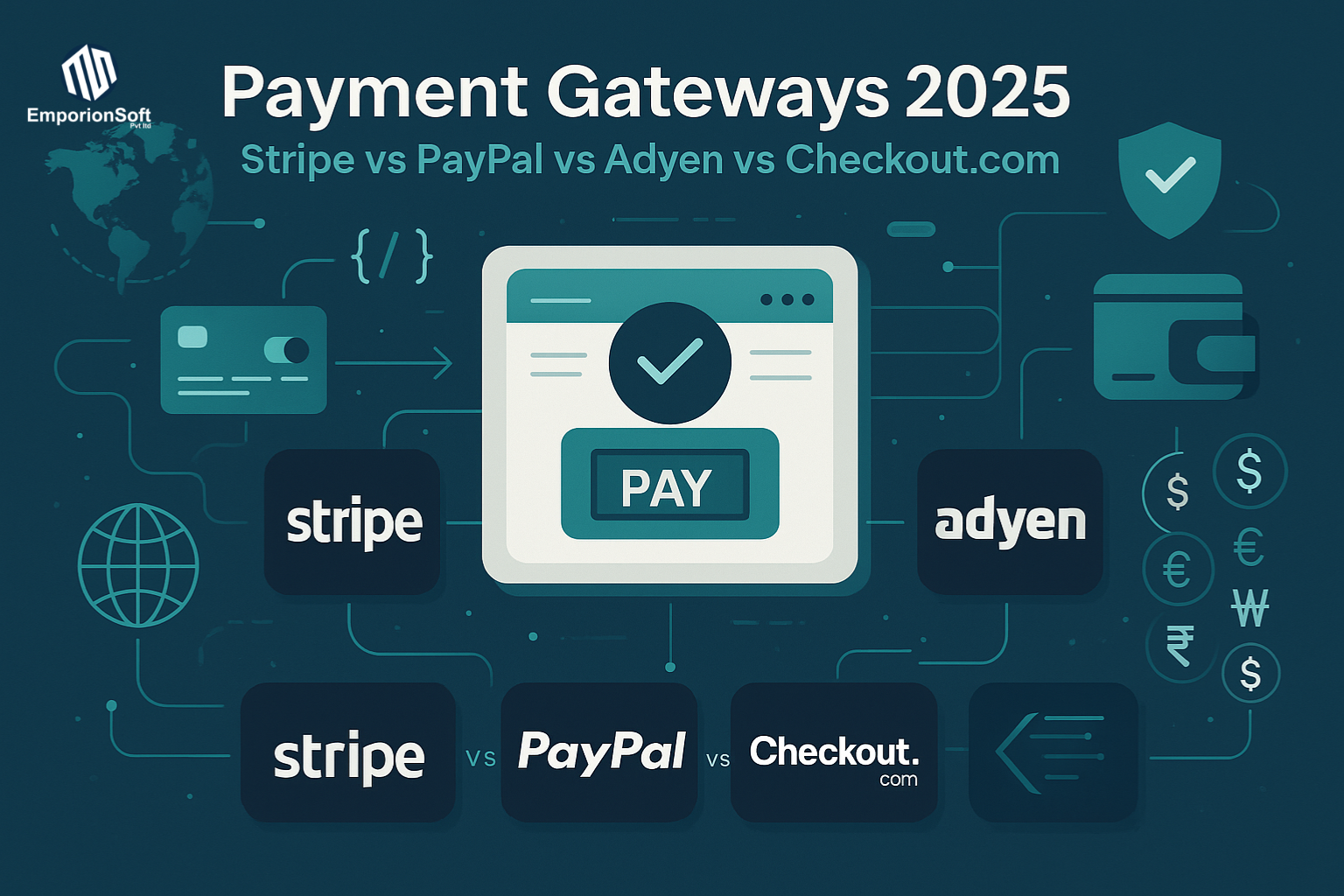
  • Payment Gateways Comparison 2026 Pakistan Guide

    Payment Gateways Comparison 2026 Pakistan Guide

    Over 70 percent of Pakistani online shoppers abandon checkout due to payment friction and limited options. That’s where a smart payment gateways comparison becomes critical for your business in 2026. As ecommerce accelerates in Pakistan, you are no longer just choosing a payment tool you are shaping your customer experience, conversion rates, and global reach. From Stripe to PayPal, Adyen to Checkout.com, each platform offers different strengths in fees, integrations, and compliance. In this guide, you’ll discover which gateway truly fits your business needs in Pakistan and beyond.

    Why a Payment Gateways Comparison Is Critical in 2025

    Not all payment systems are built the same. While every provider promises speed and security, the real-world experience varies dramatically. A payment gateways comparison helps businesses evaluate what truly matters:
    fee structures, fraud protection, API maturity, settlement timelines, Pakistan availability, and support for global card networks.

    For local merchants and growing ecommerce brands, choosing the right payment partner can mean higher conversion rates, lower chargebacks, and smoother international expansion. This decision becomes even more crucial when your customers expect secure online payments Pakistan without unnecessary steps or failed transactions.

    Pakistan’s Evolving Ecommerce and Its Impact on Payment Choices

    Pakistan’s ecommerce sector has shifted from early experimentation to mainstream adoption. With millions of daily digital transactions, the country now demands stronger financial infrastructure and internationally compliant gateways.

    As businesses evaluate the best payment gateways in Pakistan, they’re no longer just searching for a way to accept cards—they’re searching for a gateway that supports:

    • Seamless cross-border payments

    • Fraud prevention tuned to South Asian risks

    • Flexible integration options for web and mobile apps

    • Multi-currency support and fast settlements

    • Compliance with banking and fintech regulations

    This is where a thorough payment gateways comparison becomes a strategic advantage, helping companies avoid costly mistakes and long-term lock-ins.

    The New Reality: Customers Expect Unified, Effortless Payments

    Modern customers expect a payment flow that feels invisible. They want to shop, checkout, and complete a transaction without interruptions. Whether they’re buying locally or internationally, the demand for online payment solutions Pakistan continues to rise. Businesses offering smooth payments instantly gain more trust, especially when dealing with high-value items, subscriptions, or repeat purchases.

    This rise in expectations pushes businesses to explore fintech payment solutions Pakistan that offer:

    • Tokenised card storage

    • Real-time transaction analytics

    • AI-based risk scoring

    • One-click or one-tap checkout options

    • Subscription management

    • International acceptance for Visa, Mastercard, and Apple Pay

    A provider that misses any of these risks losing customers before the transaction is complete.

    The Role of EmporionSoft in This Fast-Moving Landscape

    For businesses navigating this space, understanding the right gateway begins with understanding the right technology partner. EmporionSoft’s global experience in digital engineering and payments integration offers clarity for companies making long-term decisions.

    Internal resources such as the Services page and the About page help businesses understand how professional development, API integration, and secure architecture come together to build reliable checkout systems. For deeper discussions or technical consultations, companies often start with the Contact page to explore what fits their model.

    By establishing a contextual foundation, this section sets the stage for a deeper dive into each major provider—Stripe, PayPal, Adyen, and Checkout.com—and how they compare for 2025.

    The Global Standard in Modern Payment Infrastructure

    Stripe’s influence on digital payments is hard to overstate. What began as a developer-friendly checkout tool has expanded into one of the world’s most sophisticated financial technology platforms. In any serious payment gateways comparison for 2025, Stripe consistently appears at the top—not just because of its elegant tools, but because it shapes how modern payments are built.

    Why Stripe Dominates the Global Payment Landscape

    Stripe is often described as the “operating system for online commerce,” and the phrase fits. It powers millions of businesses across more than 40 countries, from small online shops to global unicorns. Its strength comes from combining simple user experiences with enterprise-grade financial capabilities.

    A 2024 analysis by Forbes highlighted Stripe’s role in enabling frictionless global payments and supporting one of the highest authorisation rates in the industry. This reliability is exactly why organisations include Stripe in every major payment gateways comparison for 2025.

    Key Features That Set Stripe Apart

    Stripe’s feature set goes far beyond basic checkout forms.

    Advanced Fraud Protection and Risk Engines

    With Stripe Radar, businesses benefit from machine-learning-driven fraud detection trained on billions of data points. This level of intelligence is hard to replicate and is particularly helpful for companies struggling with credit card processing Pakistan where fraud risks can be higher due to regional banking complexities.

    Global Payment Method Support

    Stripe offers more than 135+ currencies and dozens of payment methods including Visa, Mastercard, Apple Pay, Google Pay, and regional wallets. For international businesses or Pakistani merchants serving global customers, this makes Stripe uniquely compelling.

    Subscription and SaaS Billing Tools

    Its recurring billing suite is one of the most advanced in the market. Dunning logic, tax automation, metered billing, and flexible subscription rules all work out-of-the-box.

    Stripe’s API: The Benchmark for Developers Worldwide

    Stripe’s biggest differentiator has always been its API. In fact, many developers still refer to it as the cleanest and most intuitive payment gateway API Pakistan users can integrate with—provided their business structure allows it.

    Its documentation (as verified by Stripe Docs) is widely considered the gold standard. Clear, consistent, and deeply flexible, it enables precise customisation for both web and mobile apps. Businesses that need advanced flows—marketplaces, platform payments, or automated payouts—often choose Stripe for this reason alone.

    Pricing: Transparent and Predictable

    Stripe keeps its pricing simple and clear. The standard transaction fee model (usually around 2.9% + 30¢) varies by region but remains predictable and consistent. This makes financial planning easier compared to gateways with hidden compliance or settlement fees.

    For Pakistani companies serving international clients, Stripe’s transparent fees simplify cross-border operations—especially if the local business trades through a foreign entity or partner.

    Global Coverage With Local Limitations for Pakistan

    Stripe’s biggest strength—its global reach—comes with one caveat: it is not officially available for businesses registered in Pakistan. This often surprises founders evaluating gateways as part of a payment gateways comparison, especially given Stripe’s dominance elsewhere.

    However, the situation isn’t entirely limiting.

    Workarounds and Alternative Approaches for Pakistan

    Many Pakistani businesses still use Stripe through:

    • US, UK, UAE, or EU-based company registration

    • Partnerships or SPVs with global entities

    • Freelancer platforms connected to Stripe-powered systems

    • Platforms using Stripe Connect for sub-merchant payments

    For companies offering SaaS, digital services, courses, or global ecommerce, these workarounds make Stripe viable despite the local restriction.

    In technical terms, once access is available, payment gateway integration Pakistan can be performed smoothly with the help of experienced engineering partners. Firms like EmporionSoft streamline complex payment flows, automate settlements, and build robust integration layers. Businesses exploring this path can review how EmporionSoft handles advanced engineering through pages like Real-Time AI in Production or the broader Services page.

    Why Stripe Still Appears in Every 2025 Comparison

    Even with Pakistan-specific challenges, Stripe remains unavoidable in any global analysis. Its innovation pace, API quality, and reliability make it a benchmark against which all others are measured. For businesses expecting global expansion—or serving clients beyond local borders—Stripe often becomes the long-term choice once operational barriers are overcome.

    PayPal: Global Trust, Strong Protections, and Regional Gaps in 2025

    For many people, PayPal is the first name that comes to mind when they think of digital payments. Its brand recognition is unmatched, shaped by two decades of global presence and billions of transactions. In any broad payment gateways comparison, PayPal stands out as the platform consumers recognise instantly—and that recognition alone continues to influence merchant decisions in 2025.

    PayPal’s Global Trust Score and Reputation

    Trust is PayPal’s strongest currency. Customers feel comfortable paying through PayPal because the brand carries a long-standing reputation for safety and dispute resolution. According to a 2024 Statista survey, PayPal remained one of the most trusted online payment brands worldwide, particularly valued for its secure transaction flow and predictable user experience.

    When comparing international payment gateways Pakistan users might rely on, PayPal’s trust score becomes a significant advantage, especially for businesses serving overseas clients.

    PayPal’s Buyer Protection: A Powerful Safety Net

    One of PayPal’s biggest differentiators is its Buyer Protection programme.How Buyer Protection Enhances Confidence

    If a customer receives an item that is significantly different from what was promised—or doesn’t receive it at all—they can raise a dispute and often get a refund. This extra layer of reassurance encourages hesitant buyers to complete purchases, particularly on unfamiliar ecommerce websites.

    For Pakistani merchants targeting global markets, this safety net builds credibility. When customers in the US, UK, or EU see PayPal at checkout, they’re more likely to trust a store they’ve never visited before.

    Seller Protection and Fraud Controls

    PayPal also offers Seller Protection against certain chargebacks and unauthorised payments. While its policies vary by region, the system helps minimise losses due to fraudulent activity—an issue many Pakistani ecommerce payment providers grapple with.

    Understanding PayPal’s Fee Structure in 2025

    The cost of using PayPal is often a topic of debate. Its fees can be higher than competitors, but they remain transparent and predictable, especially for cross-border payments.

    Typical global fees include:

    • Standard transaction fees around 2.9% + fixed fee

    • Additional charges for international transactions

    • Higher fees for currency conversions

    • Marketplace and platform-specific pricing

    For businesses comparing payment gateway fees Pakistan, it’s important to note that fees vary depending on whether the company operates locally or as an international entity. Pakistani-registered businesses cannot receive PayPal payments directly, but entities registered abroad—such as in the UAE, UK, or US—can fully utilise PayPal for global trade.

     Merchant Tools Designed for Ease and Growth

    PayPal provides a suite of merchant-focused tools that help businesses manage payments more efficiently.

    Key features include:

    • PayPal Checkout with one-click payments

    • Subscription and recurring billing

    • Invoicing tools

    • Reporting dashboards

    • Fraud detection and risk scoring

    • Integration with platforms like Shopify, WooCommerce, and Magento

    The simplicity of its integration makes PayPal attractive for smaller teams and startups. Many case studies show how businesses accelerated their online sales simply by adding PayPal, making it a consistent mention in ecommerce optimisation strategies. Readers can explore similar examples in EmporionSoft’s Case Studies section.

    PayPal’s Limitations in Pakistan

    Despite its global dominance, PayPal’s biggest drawback for this region is straightforward: it still does not operate natively in Pakistan.

    This absence forces Pakistani merchants to explore alternative methods:

    Workarounds and Viable Alternatives

    • Registering a business in PayPal-supported countries

    • Using international business bank accounts

    • Leveraging partner platforms (e.g., Payoneer + US entity)

    • Offering PayPal for exports while using local gateways for domestic transactions

    Because local integration isn’t available, businesses often rely on Pakistan-based gateways like JazzCash Payments, EasyPaisa Merchant, Keenu, or QisstPay to support domestic ecommerce. These domestic options fill gaps where PayPal’s services cannot reach, positioning themselves among rising Pakistani ecommerce payment providers.

     PayPal’s Ongoing Relevance in 2025

    Even with regional restrictions, PayPal remains an essential part of any payment gateways comparison in 2025 due to its unmatched trust, mature dispute systems, and global acceptance. For businesses with international ambitions, PayPal is still one of the most reliable and conversion-friendly tools available.

    For teams looking to build multi-gateway payment stacks, API integrations, or hybrid domestic–international setups, EmporionSoft’s experience in fintech engineering and complex architectures—outlined in the Services section—helps companies assess the right blend of providers for their markets.

    Adyen: The Enterprise Powerhouse Redefining Global Payments

    Adyen has rapidly become one of the most respected names in enterprise fintech. Once known primarily among large European retailers, it now powers payments for global giants, high-growth startups, and multi-channel brands across more than 200 countries. In any payment gateways comparison, Adyen earns its place by offering a complete financial operating system rather than a basic checkout tool. Its focus on enterprise reliability, unified commerce, and advanced risk intelligence sets it apart in 2025.

    Unified Commerce: Adyen’s Core Advantage

    One of Adyen’s defining strengths is its unified commerce model. Instead of managing separate systems for online, in-store, and mobile transactions, Adyen merges them under a single platform.

    Seamless Omnichannel Experience

    For retailers handling both digital and physical sales, this unification means:

    • One customer profile across all channels

    • Shared payment methods online and offline

    • Consistent fraud controls

    • Unified reporting dashboards

    This is particularly valuable for fast-growing brands offering hybrid operations—subscription boxes with store pickup, online orders fulfilled through physical shops, or loyalty systems linked across multiple devices.

    For businesses exploring modern digital payment systems Pakistan, Adyen’s omnichannel capabilities offer a blueprint for what high-end payment infrastructure can achieve at scale.

    Advanced Risk Management and Fraud Intelligence

    Adyen’s risk engine is one of the most sophisticated in the world. Through AI-driven analysis, behavioural modelling, and global network data, it makes high-accuracy decisions on authorisation, fraud scoring, and dispute prevention.

    Real-Time Decisioning That Reduces Losses

    Instead of relying on static rules, Adyen uses dynamic modelling based on millions of live transactions. This approach improves authorisation rates while lowering false declines—a major issue for businesses dealing with complex regions and cross-border traffic.

    For companies managing ecommerce checkout solutions Pakistan, this level of intelligence can significantly reduce payment failures and improve customer truMulti-Currency Support and Global Reach

    Adyen’s multi-currency capabilities make it an ideal gateway for international sellers. It supports over 150 currencies and is deeply integrated with card networks, local banks, and alternative payment methods worldwide.

    Advantages include:

    • Local acquiring for higher approval rates

    • Support for regional wallets (WeChat Pay, Alipay, MB Way, iDEAL)

    • Smooth settlement flows across multiple countries

    • In-depth reporting tools to manage global operations

    For brands serving customers in the Middle East, Europe, and Asia simultaneously, Adyen removes the friction of juggling multiple gateways and settlement partners.

    A detailed breakdown of Adyen’s reach and technology stack can be found in official Adyen financial reports, which consistently highlight its global scaling strategy and technology-first approach.

    Transparent and Predictable Pricing

    One of the challenges with many enterprise payment providers is non-transparent pricing. Adyen stands out by offering a clear, blended rate model that includes:

    • Interchange

    • Scheme fees

    • Adyen’s processing markup

    Unlike other providers that hide charges behind complex tiering, Adyen’s structure allows merchants to forecast long-term payment costs with confidence.

    This transparency becomes essential when comparing digital payment systems Pakistan or when evaluating multi-gateway setups for international ecommerce operations.

    Pakistan Barriers: Why Adyen Isn’t Common Locally

    Despite its global dominance, Adyen faces limitations in regions like Pakistan. It is currently not available for companies registered solely in Pakistan, which restricts domestic merchants from using its platform.

    Workarounds and Current Adoption

    Businesses that do use Adyen in relation to Pakistan often:

    • Operate through UK, EU, US, or UAE entities

    • Run international ecommerce stores targeting global customers

    • Use Adyen for foreign operations while integrating local gateways for Pakistan-based payments

    This hybrid approach is becoming increasingly common among export-focused SaaS companies, fashion brands, and international digital retailers.

    To explore multi-gateway architecture or hybrid payment stacks, companies often begin by reviewing technology strategy resources such as EmporionSoft’s Future of Cloud Computing or requesting technical guidance via the Consultation Page.

    Adyen’s Role in a 2025 Payment Gateways Comparison

    Even with regional challenges, Adyen remains a major contender in the global market. Its unified commerce capabilities, advanced risk intelligence, and international reach make it a preferred choice for large enterprises and fast-scaling brands. For businesses aiming to build modern, resilient payment infrastructures, Adyen sets an important benchmark—especially when comparing top global providers in 2025.

    Checkout.com: The MENA-Focused Gateway Gaining Global Momentum in 2025

    Checkout.com has become one of the most influential payment providers across the Middle East and North Africa (MENA). Its rapid rise is fuelled by its ability to deliver fast settlements, strong compliance, and tailored support for high-growth digital businesses. In any 2025 payment gateways comparison, Checkout.com stands out as the gateway built for regions that require both global capability and regional sensitivity. Nowhere is this more visible than in the Gulf, where ecommerce and fintech adoption continue to expand at record speed.

    Checkout.com’s Dominance in the Middle East

    Checkout.com established deep roots in the UAE, Saudi Arabia, Qatar, and Bahrain—markets that demand stability, regulatory compliance, and enterprise-level support. Its success in the region comes from understanding how payments behave in emerging digital economies and designing a platform that meets these unique challenges.

    A 2024 Deloitte report highlighted Checkout.com as one of the fastest-growing fintechs in MENA, driven by surging online retail, digital wallets, and cross-border transactions. This regional strength is one of the main reasons it consistently appears in a global payment gateways comparison.

    Key Features That Make Checkout.com Enterprise-Ready

    Checkout.com delivers a sophisticated suite of tools designed for ambitious merchants, global marketplaces, and subscription platforms.

    High Authorisation Rates Through Local Acquiring

    One of its biggest advantages is local acquiring in markets where global gateways often struggle. This means fewer declines, better reliability, and more successful transactions for regional customers.

    Multi-Currency and Global Payment Method Support

    Checkout.com supports:

    • Over 150 currencies

    • Major card networks (Visa, Mastercard, AMEX)

    • Apple Pay and Google Pay

    • Popular regional wallets

    • Local Middle Eastern payment instruments

    This flexibility is essential for businesses needing both global reach and regional compliance.

    Flexible API and Modern Developer Tools

    Its payment API is fast, clean, and built with modern engineering standards. This design makes it easier for technical teams to create personalised checkout flows, automated settlement reporting, marketplace split payments, and recurring subscriptions.

    For companies exploring secure online payments Pakistan, a modern API and high authorisation rates can dramatically improve customer conversions—especially when dealing with cross-border buyers or global customers.

    A Transparent and Flexible Pricing Model

    Checkout.com’s pricing structure is based on a straightforward per-transaction fee combined with interchange costs. Unlike providers that hide fees behind complex models, Checkout.com emphasises clarity and predictability.

    Its pricing is typically customised for medium to large businesses, making it attractive for:

    • Marketplaces

    • Subscription-based businesses

    • Export-focused ecommerce stores

    • High-volume merchants

    This transparency helps companies plan costs more effectively—an important factor when comparing global providers in 2025.

    Strong Fraud Prevention and Risk Management Tools

    Fraud remains a pressing concern for global merchants, and Checkout.com takes a proactive approach with:

    • Machine-learning-driven risk scoring

    • 3D Secure (2.0) optimised flows

    • Behavioural analytics

    • Real-time rule configuration

    • Regional fraud modelling

    These tools help reduce chargebacks and false declines. For fast-scaling businesses, the ability to fine-tune risk settings without sacrificing conversions is a critical advantage.

    Compatibility With the Pakistani Market

    While Checkout.com does not currently support Pakistan-based business registrations, it remains a viable option under certain conditions.

    How Pakistani Businesses Can Still Use Checkout.com

    Businesses in Pakistan often use Checkout.com through:

    • UAE, UK, Singapore, or EU-registered entities

    • International ecommerce stores selling abroad

    • Cross-border digital services

    • SaaS companies targeting global customers

    In these cases, Checkout.com offers a strong alternative to more restrictive global gateways. For companies evaluating local payment processors Pakistan versus global options, Checkout.com fits perfectly when the target market is outside Pakistan.

    Pakistani founders exploring hybrid models—local payments for domestic buyers and Checkout.com for international customers—often seek strategic support through EmporionSoft’s Our Insights hub or start a technical discussion via the Contact Page.

    Checkout.com’s Position in the 2025 Landscape

    With its strong MENA presence, enterprise-grade tools, transparent pricing, and superior authorisation rates, Checkout.com has secured its position as one of the most important providers in any modern payment gateways comparison. Its capabilities fit the needs of businesses that operate across borders, serve the Middle East, or require a reliable partner for complex payment workflows.

    The 2025 Side-by-Side Comparison: Understanding What Truly Sets Each Gateway Apart

    Choosing the right payment provider has become a mission-critical decision for businesses in 2025. With customer expectations rising and ecommerce competition intensifying, a clear payment gateways comparison helps companies avoid costly mistakes and choose solutions that align with their growth strategy. The differences between providers can seem subtle, but they have an enormous impact on conversion rates, fraud prevention, compliance, and international expansion.

    The 2025 Payment Gateway Comparison Table

    To make the evaluation easier, here is a concise yet meaningful comparison of Stripe, PayPal, Adyen, and Checkout.com—four of the most-discussed platforms in global and Pakistan-focused payment research.

    Feature & Capability Comparison (2025 Snapshot)

    Criteria Stripe PayPal Adyen Checkout.com
    API Strength Industry-leading; highly flexible Moderate; easy to use Advanced; enterprise-level Modern; clean and developer-friendly
    Global Coverage 40+ supported countries 200+ consumer markets 200+ markets via acquiring Strongest in MENA + global expansion
    Payment Methods Cards, wallets, local methods PayPal, cards, wallets Extensive, including regional methods Cards, wallets, MENA-specific options
    Fraud Prevention Stripe Radar (ML-driven) Buyer/Seller Protection Network-wide behaviour modelling Robust fraud engine with 3DS optimisation
    Pricing Transparency Clear fees; predictable Transparent but higher for cross-border Interchange++ model; very transparent Custom pricing; enterprise-friendly
    Pakistan Compatibility Not available locally; via foreign entities Not available locally; via foreign entities Not available for Pakistan entities Not available locally; UAE/EU/UK entities needed
    Best For SaaS, global ecommerce, platforms Cross-border sellers, small merchants Enterprise retail, omnichannel brands High-growth MENA + international merchants
    Ease of Integration Excellent Very easy for basic flows Moderate (enterprise setups) Easy; modern API
    Settlement Speed Fast Moderate Fast (local acquiring) Very fast in MENA

    This comparison reflects findings from industry analyses and global payment trend reports, including research published by McKinsey & Company in 2024 highlighting the rapid evolution of cross-border digital payments.

    Best Fit Analysis: Who Should Choose Which Gateway?

    A table alone doesn’t tell the whole story. Each payment provider excels in specific business models, markets, and operational needs.

    Stripe: Ideal for SaaS, Marketplaces, and Global Ecommerce

    Stripe remains a favourite among developers and global-first businesses because of:

    • Exceptional API flexibility

    • High authorisation rates

    • Strong subscription tools

    • Rich analytics and automation

    Businesses targeting the US, UK, EU, or UAE markets often include Stripe at the top of their payment gateway reviews Pakistan lists—even if they need foreign registration to use it.

    PayPal: Best for Trust, Simplicity, and Cross-Border Buyers

    PayPal wins when:

    • Brand recognition matters

    • Customer trust drives conversions

    • A one-click express checkout improves sales

    For companies exporting digital services, creative work, or ecommerce goods, PayPal remains one of the most reliable global paths to receive payments.

    Adyen: Built for Enterprise Retail and Unified Commerce

    Adyen is the strongest option for:

    • Omnichannel retailers

    • Multi-country operations

    • Large-scale ecommerce

    • Businesses wanting one system for online + in-store

    Its unified commerce model and enterprise-grade fraud controls make it a benchmark gateway in many global comparisons.

    Checkout.com: Best for MENA-Centric and High-Growth Digital Brands

    Checkout.com’s strongest capabilities shine when:

    • Serving UAE, Saudi Arabia, or Qatar

    • Operating in high-volume ecommerce markets

    • Managing complex multi-currency or multi-market setups

    • Requiring MENA compliance and local acquiring

    This makes it a rising contender in regions where Pakistan-based founders expand abroad.

    Pakistan-Specific Perspective: Which Gateway Works Best for Local Businesses?

    While none of these four gateways support Pakistani-registered businesses directly, they still matter significantly in best payment gateways in Pakistan research because many founders operate through:

    • UAE entities

    • UK/US/EU companies

    • Hybrid international ecommerce setups

    • Multi-gateway payment stacks

    Locally, businesses often pair these international gateways with domestic processors like JazzCash, EasyPaisa Merchant, Keenu, QisstPay, or bank-backed solutions. The combination allows merchants to offer secure online payments Pakistan users expect while also supporting global customers.

    For companies exploring advanced architectures, EmporionSoft’s experience in cloud-native fintech systems and multi-gateway integration is documented across insights and case materials. Businesses can explore the Services page for technical capability details or request guidance directly through the Consultation page.

    Understanding the Real Differences in 2025

    When viewed side-by-side, the main differentiators become clear:

    • Stripe excels in developer flexibility and global API-driven commerce.

    • PayPal dominates in trust, ease of use, and consumer familiarity.

    • Adyen leads in enterprise scale, unified commerce, and global acquiring.

    • Checkout.com wins in the Middle East and high-growth regional markets.

    This structured understanding prepares businesses for the next step: choosing the right gateway based on their size, goals, and market focus.

    Choosing the Right Gateway for Your Business: A Practical Guide for Pakistan in 2025

    Every business in Pakistan faces different payment challenges, so choosing the right provider shouldn’t feel like guesswork. Whether you’re a startup owner, a growing ecommerce brand, or a service provider working with global clients, the decision must be rooted in practicality—not hype. With so many options and limitations, finding the right fit requires clarity, context, and an understanding of how each gateway performs in the real world.

    Start With Your Business Size and Growth Goals

    Not every payment provider is suitable for every business. The right match depends on where you are now—and where you want to go.

    Small Businesses and Local Sellers

    If your primary customers are in Pakistan, you’ll likely depend on online payment solutions Pakistan such as JazzCash, EasyPaisa, Keenu, or bank-led merchant gateways. These tools are affordable, compliant with the State Bank of Pakistan (SBP), and easier to onboard with.

    For micro and small retailers, the ideal payment gateway for small businesses Pakistan is one that offers:

    • Low setup fees

    • Simple integration

    • Support for local bank accounts

    • Reliable domestic settlements

    • Easy refunds and dispute processes

    These requirements often push smaller merchants toward domestic processors rather than international gateways.

    Mid-Sized and Growing Ecommerce Brands

    Scaling merchants, especially those selling to the UAE, UK, US, or EU, must think beyond domestic constraints. At this stage, businesses often explore:

    • Stripe (via foreign entity)

    • Checkout.com (via UAE or UK setup)

    • PayPal (via foreign registration)

    • Adyen (for global retail expansion)

    This hybrid model—local gateway for Pakistan + international gateway for exports—is becoming the new normal. According to SBP’s 2024 Digital Payments Report, cross-border ecommerce from Pakistan continues to grow, despite regulatory limitations. This growth pushes more businesses to adopt multi-gateway setups.

    Consider Your Payment Flow and Customer Experience

    The structure of your payments matters more than most founders realise.

    One-Time Purchases

    If customers typically pay once and leave, then speed, trust, and low friction should be the priority. PayPal and Stripe (via foreign entities) often win here because they reduce the psychological barrier at checkout.

     Subscription or Recurring Billing

    SaaS platforms, membership communities, and digital product creators need:

    • Automatic recurring billing

    • Card tokenisation

    • Retry/dunning logic

    • Global card support

    Stripe and Adyen lead this category thanks to their rich API features, high authorisation rates, and built-in automation tools.

     Marketplace or Platform Payments

    Businesses needing split payments—like multi-vendor marketplaces, tutoring networks, ride-sharing platforms, or service marketplaces—require advanced orchestration. These features exist primarily in Stripe Connect and Adyen for Platforms.

    In these cases, the most practical approach is often a foreign entity so you can legally connect to these advanced tools.

    Integration Cost and Technical Complexity

    Understanding integration cost can save businesses months of frustration.

    Low-Code or No-Code Integration

    PayPal and local gateways typically offer fast plug-and-play integration with:

    • Shopify

    • WooCommerce

    • Wix

    • WordPress

    • Local POS systems

    These are perfect for merchants who don’t have in-house engineering expertise.

    Custom API Integration

    Stripe, Adyen, and Checkout.com shine when you need:

    • A fully customised checkout

    • Advanced business logic

    • Multi-step payment flows

    • Compliance automation

    • Scalable global infrastructure

    This is where a technical partner becomes essential. EmporionSoft’s expertise in payment engineering, custom integrations, and API orchestration can be explored via the Services page or by initiating a discussion through the Contact Us page.

    Addressing Pakistani Compliance & Banking Limitations

    Pakistan’s regulatory environment adds practical constraints:

    • International gateways require foreign business registration

    • Compliance checks delay onboarding

    • Local banks impose rules on dollar settlements

    • SBP approval is required for some cross-border flows

    Because of these limitations, Pakistan-based companies often use combinations such as:

    • JazzCash/EasyPaisa + Stripe (foreign)

    • Bank payment gateway + PayPal (foreign)

    • Local processor + Checkout.com (UAE entity)

    This strategy aligns with SBP guidelines while enabling international payments.

    Cross-Border Settlements: An Important Differentiator

    If international clients are your primary market—IT services, SaaS, consultancy, or ecommerce exports—you must prioritise:

    • Settlement timelines

    • FX conversion fees

    • Country-specific compliance

    • Chargeback protection

    • Global card acceptance

    Stripe and PayPal dominate cross-border acceptance, while Checkout.com offers exceptional performance for MENA-focused exporters.

    Helping Pakistani Businesses Make the Right Choice

    Selecting the right payment gateway isn’t about choosing the most famous provider; it’s about choosing the one that aligns with your market, compliance needs, and long-term ambitions. With the right combination of local and global tools, businesses in Pakistan can create a frictionless payment experience that supports both domestic buyers and global clients.

    Final Thoughts: Choosing the Right Payment Gateway for 2025 and Beyond

    If there’s one insight that stands out from this entire payment gateways comparison, it’s that no single provider fits every business. Stripe leads in developer flexibility and international reach. PayPal remains the global trust champion. Adyen offers unmatched enterprise-scale unified commerce. Checkout.com dominates the MENA region with impressive authorisation rates and regional optimisation. Each platform has its strengths—and each aligns with different business models, customer bases, and geographic priorities.

    What This Comparison Reveals About 2025

    The payments ecosystem in 2025 is faster, more intelligent, and more interconnected than ever. Gateways no longer simply “process cards”; they provide:

    • Fraud intelligence

    • Subscription billing

    • Behavioural modelling

    • Multi-currency orchestration

    • Cross-border compliance

    • API-first infrastructure

    This evolution makes it essential for businesses—especially those in or serving Pakistan—to choose the right combination of domestic and international providers. With rising ecommerce adoption, subscription models, and mobile-first buyers, the demand for secure online payments Pakistan consumers can trust is only increasing.

    A recent analysis by Visa emphasised that digital payment maturity across developing markets is accelerating far beyond earlier predictions, driven by mobile wallets, cross-border ecommerce, and customer expectations for instant, friction-free checkout flows. These trends are shaping how Pakistani businesses plan their next step.

    Reassessing Pakistan’s Unique Fintech Environment

    Pakistan’s financial ecosystem presents both challenges and promising opportunities. Local infrastructure supports strong domestic transactions, but international acceptance remains limited, forcing businesses to think creatively—especially those targeting overseas clients.

    Key realities shaping decisions include:

    • International gateways require foreign entities

    • SBP compliance for cross-border flows

    • Limited availability of global payment brands

    • Local processors improving but still maturing

    • Rising demand for online payment solutions Pakistan across all sectors

    • Growing support for hybrid stacks (local + international)

    In this environment, the best payment gateways in Pakistan are often not a single provider but a carefully planned combination: one domestic solution for local buyers and one international gateway for global expansion.

    Matching Gateways to Business Models

    From small retailers to global-scale SaaS platforms, businesses must choose based on practicality:

    • Small businesses benefit from easy local onboarding and predictable fees.

    • Growing ecommerce brands need tools that handle recurring billing and multi-currency support.

    • Export-focused companies rely on gateways with strong cross-border acceptance.

    • Startups building marketplaces or apps require advanced payment gateway API Pakistan workflows that global players like Stripe and Adyen specialise in.

    This is where technical expertise makes a difference—not just choosing a gateway, but designing the payment architecture around it.

    Why Technical Leadership Matters in 2025

    Payments are no longer a plug-and-play feature. Modern gateways require:

    • Secure integration

    • API orchestration

    • Reconciliation and reporting

    • Subscription and marketplace logic

    • Fraud prevention configuration

    • Compliance alignment

    EmporionSoft helps businesses navigate these complexities with world-class engineering, cloud-native architecture, and global-scale fintech expertise. Founders, product teams, and enterprise leaders exploring payment integration or checkout modernisation can learn more about these capabilities through the EmporionSoft Services page or begin planning with the team directly via the Contact Page.

     A Confident Path Forward With EmporionSoft

    If your business wants to offer frictionless payments, expand globally, or modernise your ecommerce platform, the right technical partner is essential. EmporionSoft Pvt Ltd has delivered advanced solutions for brands across the UK, Middle East, EU, and South Asia—helping them implement:

    • Payment gateway integration

    • Custom ecommerce development

    • API integration and orchestration

    • Fintech engineering and secure payment workflows

    Your customers deserve a fast, seamless, and secure payment experience. With EmporionSoft’s expertise, you can build systems that not only meet today’s standards but prepare you for tomorrow’s growth.

    Ready to create a payment system built for 2025 and beyond? EmporionSoft is here to build it with you
  • App Maintenance Costs Explained: Hosting, Updates & Hidden Fees (Pakistan Pricing Guide 2025)

    App Maintenance Costs Explained: Hosting, Updates & Hidden Fees (Pakistan Pricing Guide 2025)

    The Rising Importance of Understanding App Maintenance Costs in 2025

    If there is one factor that determines whether a mobile app thrives or collapses in the long run, it is the commitment to proper maintenance. Many businesses enter the digital space with a well-built app but fail to realise how app maintenance costs shape performance, security, and user trust long after launch. In Pakistan’s growing tech ecosystem, this awareness has become even more urgent as companies rely on digital platforms to operate and scale.

    Why App Maintenance Matters More Than Ever

    A mobile app is never truly “finished”. New devices enter the market every year, security vulnerabilities appear unexpectedly, and user expectations shift overnight. Without structured maintenance, even the most impressive app begins to slow down, malfunction, or become vulnerable to data breaches. This is why businesses are increasingly researching app maintenance costs in Pakistan before investing in long-term digital strategies.

    Reports from industry analysts, including insights shared on TheCodeV (https://thecodev.co.uk/), highlight that over 70% of an app’s lifetime cost occurs after launch. This reality often surprises business owners who focus heavily on development costs but underestimate the ongoing upkeep required to stay competitive.

    Pakistan’s Growing App Economy and the Need for Maintenance Awareness

    Pakistan’s digital market has expanded rapidly, with startups, SMEs, and enterprises adopting mobile solutions for eCommerce, fintech, logistics, healthcare, education, and on-demand services. As the market grows, so does the need for reliable support systems. Companies are now actively searching for mobile app maintenance cost Pakistan benchmarks to plan budgets more accurately.

    Cities like Karachi, Lahore, and Islamabad have become hubs for top-tier development houses, including every type of app maintenance company Karachi, app maintenance services Lahore, and full-service software partners offering specialised support across the country. With more competition in the digital space, businesses must ensure their apps remain updated, secure, and compatible with modern technologies.

    Expert-Led Maintenance: Why Pakistani Companies Need It

    Most Pakistani businesses now prefer partnering with app maintenance experts in Pakistan to manage updates, hosting, bug fixes, and security patches. This trend is driven by increased awareness of issues such as downtime, broken features, outdated APIs, and app store rejections—problems that can severely damage brand credibility.

    Choosing the right maintenance partner can make the difference between steady growth and unexpected operational failures. Many organisations explore providers like EmporionSoft, known for delivering structured maintenance plans with transparent pricing. You can explore their services directly at the Services Page or learn more about their portfolio on the Case Studies section. Businesses seeking tailored consultation can also connect through the EmporionSoft homepage for guidance based on the size and complexity of their app.

    The Changing Landscape: Why 2025 Is a Turning Point

    The year 2025 marks a shift in how Pakistan’s digital economy operates. With higher user expectations and rapid market digitalisation, app quality and uptime are no longer negotiable. Businesses must treat maintenance as a strategic investment rather than an optional cost. As more companies adopt cloud infrastructure, AI-driven features, and real-time analytics, the overall complexity of app ecosystems continues to grow. This makes maintenance not just necessary but essential for long-term stability.

    Understanding the true cost of maintaining an app enables companies to budget intelligently, avoid downtime, and deliver consistent experiences. It ensures the app keeps performing, keeps customers engaged, and keeps the business ahead of competitors in a crowded marketplace.

    Breakdown of App Maintenance Costs in Pakistan

    Understanding the true structure of app upkeep is essential for businesses planning long-term digital growth. While development often gets the most attention, the ongoing expenses that keep an app secure, stable, and updated are equally important. The average app maintenance cost in Pakistan varies widely depending on the app’s scale, complexity, and monthly user activity. To help businesses plan better, here is a clear breakdown of the most common maintenance categories, along with what they typically include.

    Industry research, including insights from Statista and TheCodeV, shows that maintenance usually accounts for 15–25% of the original development cost per year, depending on usage and technology choices. This makes it vital for Pakistani businesses to understand app maintenance charges in Pakistan before committing to any long-term digital roadmap.

    You can explore detailed technical insights and analysis on the EmporionSoft Services page or browse more strategy-led articles on the Our Insights section.

    Bug Fixing & Issue Resolution

    Bug fixing is the most frequent and sometimes the most unpredictable cost category. Errors appear naturally over time due to OS changes, device variations, new features, or integrations. Fixing bugs quickly keeps the user experience stable and prevents user churn.

    Bug-fixing costs depend on the issue’s severity and can range from low to moderate, especially if you partner with teams offering low cost app maintenance Pakistan options. Apps with complex logic or high traffic typically require more frequent debugging.

    Hosting & Server Costs

    Every app relies on hosting to function, whether it uses cloud servers, on-premise hosting, or hybrid environments. Hosting expenses depend on bandwidth, traffic, database size, and security requirements.

    For most Pakistani digital businesses, server-related costs fall into monthly or yearly plans. Companies exploring app maintenance pricing packages Pakistan must factor in storage upgrades, backup systems, and load balancing for peak usage. Cloud providers like AWS, Azure, and DigitalOcean often charge based on consumption, which scales as the app grows. External research from Gartner notes that cloud hosting expenses will continue rising as more apps rely on data-intensive features.

    Backend Maintenance & Database Management

    Backend upkeep is essential for smooth app performance. This includes monitoring APIs, improving database efficiency, ensuring authentication systems work correctly, and managing server logic. Poorly maintained backends often cause crashes, slow loading, or security vulnerabilities.

    In Pakistan, backend maintenance remains one of the core components of ongoing costs, especially for apps handling real-time operations, payments, or large datasets. Costs can vary depending on how frequently the backend needs performance tuning or structural adjustments.

    App Updates and Version Upgrades

    Regular updates keep an app aligned with new features, customer expectations, app store rules, and OS requirements. These updates range from small UI refinements to major functionality upgrades.

    Since Android and iOS release updates several times a year, apps require parallel adjustments. Businesses looking for predictable spending usually prefer providers offering fixed app maintenance pricing packages Pakistan, which include scheduled updates as part of the monthly plan.

    Version upgrades also ensure compatibility with the latest devices, preventing outdated behaviour that could affect user retention.

    API Changes and Third-Party Integrations

    APIs act as connectors between your app and outside services such as payment gateways, maps, social logins, or CRM tools. If any third-party provider updates their API, your app must update too.

    API changes happen often across major platforms, making this an unavoidable maintenance expense. While these updates may seem minor individually, they contribute to overall app maintenance charges in Pakistan, especially for feature-heavy apps.

    Server Monitoring & Performance Tracking

    Server monitoring ensures the app stays online without interruptions. It includes checking uptime, performance graphs, crash analytics, user journey flows, and real-time error logs. Monitoring tools like Firebase, Sentry, and AWS CloudWatch help detect issues early.

    Monitoring is essential for apps with large user bases or those operating in competitive sectors like eCommerce and fintech. Although monitoring costs vary, they are part of almost every maintenance plan and easily fit into low cost app maintenance Pakistan offerings for smaller apps.

    Server, Hosting & Backend Maintenance Costs

    When businesses evaluate app maintenance costs, they often focus on visible updates or bug fixes. Yet the real long-term expenses usually sit behind the scenes — inside the hosting infrastructure, server environment, backend systems, and security layers. These invisible components keep an app running smoothly, and they represent some of the most significant contributors to total app maintenance costs over time.

    As Pakistan’s digital sector continues to scale, the demand for robust server setups and efficient backend operations has increased sharply. Companies now examine server and hosting costs for mobile apps Pakistan more carefully, especially with cloud adoption rising across eCommerce, fintech, logistics, healthcare, and government applications.

    Cloud Hosting Costs in Pakistan

    Cloud hosting is now the standard for most Pakistani apps due to its flexibility, security, and ability to scale on demand. Prices vary depending on provider, bandwidth consumption, storage requirements, and real-time traffic.

    Global platforms like AWS, Azure, and Google Cloud offer tiered pricing, but their consumption-based billing means costs rise as your user base grows. Pakistani hosting providers offer more affordable plans, but they often lack the advanced scalability or global CDN support needed for high-growth apps.

    Key factors affecting hosting costs include:

    • Monthly traffic surges

    • Database size and structure

    • Number of APIs running

    • Real-time features like chat or tracking

    • Content delivery (images, videos, files)

    As cloud adoption grows locally, businesses are turning to experts for guidance. Resources such as EmporionSoft’s Future of Cloud Computing and the Cloud Providers Comparison 2025 article help companies compare their pricing options more effectively. Gartner also reports rising operational expenditure globally as apps integrate AI-driven features and high-volume data processing.

    Backend Maintenance & API Stability

    The backend is the core engine of any mobile application. It handles authentication, payments, data storage, messaging, APIs, business logic, user flow, and much more. That’s why backend maintenance for mobile apps Pakistan is one of the most continuous and essential cost areas.

    Backend upkeep typically includes:

    • Optimising database queries

    • Ensuring server-side logic runs without delays

    • Updating third-party APIs

    • Monitoring request-response time

    • Managing load balancing and caching

    • Fixing logic-related glitches

    • Handling automated backups and restores

    Apps using complex infrastructure — such as ride-hailing, fintech transactions, or multi-vendor eCommerce — require robust backend monitoring. API stability is equally important. Whenever a provider like Stripe, Google Maps, or Meta updates their APIs, the app must be updated too. These updates prevent downtime and ensure compliance with new standards.

    External research from TheCodeV (https://thecodev.co.uk/) highlights that backend maintenance often accounts for nearly 40% of annual operational costs for real-time applications.

    Security Patching & Compliance Costs

    Security is one of the most underestimated maintenance expenses. With cyberattacks increasing globally, Pakistani businesses can no longer ignore regular security reviews and patch updates. This is why app security maintenance cost Pakistan has become a growing line item in maintenance contracts.

    Security upkeep includes:

    • Patching vulnerabilities in frameworks

    • Updating encryption standards

    • Monitoring suspicious activity

    • Applying firewall and SSL updates

    • Securing cloud buckets and databases

    • Ensuring authentication protocols stay updated

    • Meeting compliance requirements (GDPR, PCI-DSS, HIPAA)

    Even minor neglect — such as outdated SSL certificates or ignored vulnerability alerts — can result in data breaches, app downtime, or full service outages. Pakistani fintech and eCommerce companies, in particular, must invest more in ongoing security to protect consumer data and regulatory compliance.

    As mobile apps process larger datasets and integrate AI and cloud-based systems, security compliance grows more demanding, and so do the associated costs.

    Android vs iOS App Maintenance Costs

    When planning long-term upkeep, businesses often discover that Android and iOS do not cost the same to maintain. The difference comes from device diversity, platform rules, testing environments, and update cycles. Understanding this gap helps companies make smarter budgeting decisions, especially when comparing app maintenance cost vs development cost Pakistan for long-term digital growth. Both platforms require continuous updates, but each comes with its own cost patterns and hidden challenges.

    Android App Maintenance Costs

    The android app maintenance cost in Pakistan tends to be slightly higher for apps with broad user bases. This is mainly due to Android’s device fragmentation. Hundreds of screen sizes, chipsets, manufacturers, and OS variations coexist in Pakistan’s market, making compatibility a constant task.

    Here’s why Android maintenance often requires a bit more effort:

    • More device testing: Apps must be optimised for a wide range of devices, from Samsung and Vivo to Infinix and Huawei.

    • Frequent OS variations: Many Pakistani users do not update their devices regularly, forcing apps to support older OS versions.

    • Higher bug occurrence: Fragmentation increases the likelihood of inconsistent behaviour across devices.

    • More background processes: Android’s open architecture allows more third-party tools, which occasionally conflict with app functions.

    A practical example is a local eCommerce app supporting 50+ device types. Regular updates are required to prevent layout issues, API mismatches, and slow performance across mid-range devices commonly used in Pakistan. Studies from TheCodeV (https://thecodev.co.uk/) and industry analysts show that Android apps generally require more post-launch optimisation due to hardware diversity.

    Businesses can explore smarter development choices using Cross-Platform App Development Tools to reduce maintenance overhead and improve consistency across devices.

    iOS App Maintenance Costs

    While iOS apps tend to face fewer device variations, the ios app maintenance cost in Pakistan is influenced by Apple’s strict rules and frequent review cycles. Apple’s ecosystem is more controlled, which simplifies some maintenance tasks but also introduces mandatory compliance updates.

    iOS maintenance requires:

    • Adhering to App Store guidelines: Apple enforces strict UI and privacy standards.

    • Keeping up with major OS releases: Apple pushes regular system-wide updates that may break older app features.

    • Optimising for newer devices: New iPhones with advanced chipsets occasionally require performance adjustments.

    • Meeting privacy and tracking requirements: Features like App Tracking Transparency add additional maintenance tasks.

    A fintech app, for example, must quickly adjust to updates in Apple Pay, biometric authentication, or privacy policy changes. Failure to comply can lead to app rejection or removal from the App Store. This controlled environment leads to a stable user experience but requires precise updates.

    Apple’s stricter ecosystem can reduce bug-fixing frequency but increases compliance-related maintenance, especially for sensitive industries like banking, insurance, and government services.

    Key Platform-Level Differences

    Here are core distinctions affecting maintenance costs:

    Device Diversity

    • Android has far more fragmentation, increasing testing and optimisation time.

    • iOS benefits from a unified ecosystem with fewer device variations.

    Update Frequency

    • Android updates vary by manufacturer and region.

    • iOS updates roll out globally to all supported devices instantly.

    App Store Rules

    • Google Play offers more flexibility.

    • Apple imposes strict guidelines and review processes.

    Performance Optimisation

    • Android requires tuning for a broader hardware range.

    • iOS requires updates aligned with chipset and OS upgrades.

    Businesses must evaluate platform-specific needs before estimating costs. AI-driven testing and automation can further reduce maintenance overhead, a topic explored deeply in How AI Is Revolutionising Software Development.

    External research from IBM and Statista suggests that platform maintenance contributes 30–40% of total lifetime app spend, making platform choice an important strategic decision.

    How App Maintenance Costs Vary Across Startups, SMEs, Enterprises, and SaaS Platforms

    Every organisation invests in mobile applications for different reasons — growth, customer engagement, automation, or operational efficiency. Naturally, app maintenance costs also vary depending on the company’s size, scale, user volume, and technical complexity. Understanding these differences helps businesses budget accurately and avoid surprises later.

    Industry reports from McKinsey and TheCodeV reveal that maintenance takes up a significant portion of an app’s lifetime cost, regardless of company size. However, the scale and nature of this spending differ greatly between startups, small businesses, mid-sized companies, enterprises, and SaaS platforms.

    Explore how maintenance planning aligns with business growth using the Consultation service or view long-term performance examples on EmporionSoft’s Case Studies page.

    App Maintenance Cost for Startups

    The app maintenance cost for startups in Pakistan is generally lower at the early stage but can rise rapidly as the user base grows. Most startups opt for essential maintenance only, focusing on bug fixes, small feature updates, and basic hosting.

    Typical startup needs include:

    • Fixing early-stage bugs

    • Ensuring app store compliance

    • Managing low-traffic hosting

    • Running lightweight analytics

    • Updating UI/UX for customer feedback

    Startups often choose lean models or limited monthly maintenance to stay within budget. However, growing too fast without a robust maintenance plan can lead to performance issues or scaling failures.

    App Maintenance Cost for Small Businesses

    The app maintenance cost for small business Pakistan varies depending on the industry. Small businesses in eCommerce, retail, logistics, and healthcare often require more updates than early-stage startups due to real customer usage.

    Maintenance for this segment includes:

    • Monthly bug patches

    • Minor feature enhancements

    • Support for marketing campaigns

    • Backend optimisations

    • Payment gateway updates

    Small businesses typically select fixed-price maintenance packages to avoid unpredictable spending. This ensures stability without requiring full-scale development teams.

    Maintenance Costs for Mid-Sized Companies

    Mid-sized companies usually operate apps with higher traffic and broader functionality. As a result, maintenance costs increase to match operational needs.

    Their maintenance priorities include:

    • Database optimisation

    • API monitoring

    • Server scaling

    • Real-time features such as chat or tracking

    • Enhanced security layers

    • Third-party integrations

    This category begins to require dedicated development cycles for updates and performance tuning. External research from Statista highlights that mid-sized companies typically allocate 25% of their yearly app budget to maintenance alone.

    App Maintenance Cost for Enterprises

    The app maintenance cost for enterprise apps in Pakistan is significantly higher due to operational scale, security policies, and integration complexity.

    Enterprise-level maintenance includes:

    • High-availability hosting

    • Advanced cybersecurity compliance

    • SSO and identity management

    • Complex backend orchestration

    • Multi-region deployment

    • Continuous optimisation

    • Full-time monitoring teams

    • Detailed audit logs and performance reports

    Enterprises prioritise risk management, which increases the need for regular audits, penetration testing, and disaster recovery mechanisms. Apps serving thousands or millions of users require stability that only ongoing, structured maintenance can provide.

    SaaS App Maintenance Costs

    The saas app maintenance costs in Pakistan are unique because SaaS platforms evolve constantly. They rely on multi-tenant architecture, subscription systems, analytics dashboards, and continuous feature delivery.

    SaaS maintenance typically includes:

    • Infrastructure scaling

    • Multi-tenant database management

    • Monthly feature updates

    • Version control across tenants

    • API load balancing

    • Monitoring dashboards

    • 24/7 uptime promises (SLAs)

    The responsibility to maintain reliability across multiple customers makes SaaS maintenance an ongoing and non-negotiable investment.

    Why Business Size Influences Long-Term Costs

    From startup MVPs to enterprise systems, the level of maintenance required grows alongside the business. More traffic, more data, and more integrations translate into higher maintenance workloads. Companies also need to refine their digital infrastructure to ensure seamless performance across devices, networks, and regions.

    External insights from Gartner confirm that maintenance demands scale almost proportionally with user growth. This makes proactive planning essential for avoiding sudden spikes in operational spending.

    Industry-Specific App Maintenance Costs in Pakistan

    Different industries have different technical demands, user expectations, and regulatory requirements. Naturally, this means app maintenance costs vary significantly depending on the sector. From real-time financial security to high-volume eCommerce traffic, each industry brings its own set of challenges and recurring updates. Understanding these differences helps businesses plan accurate budgets and choose the right long-term maintenance strategy.

    Insights from industry analysts, including research shared by Statista, confirm that maintenance complexity increases in industries that depend on real-time operations, compliance rules, or heavy data usage. Let’s explore how various Pakistani industries experience distinct maintenance cost patterns.

    To see practical examples of how professional teams handle complex projects, explore EmporionSoft’s solutions in Project Management Tools for Tech Companies and AI-driven app enhancement strategies in AI Chatbots Into Your Mobile App.

    Ecommerce Apps

    The app maintenance cost for ecommerce apps in Pakistan is generally higher due to frequent product updates, promotions, inventory changes, and real-time order management. High traffic during sales creates added pressure on servers, requiring strong backend optimisation and continuous monitoring.

    Ecommerce apps require ongoing:

    • Bug fixes for product pages and checkout flows

    • API updates for payment gateways

    • Database optimisation for catalogues

    • Performance enhancements for high-traffic events

    • Integration maintenance for courier services and CRM systems

    Because user expectations are high, even minor issues like slow loading or cart errors demand instant app bug fixing and maintenance Pakistan services.

    Fintech Apps

    The app maintenance cost for fintech apps in Pakistan is among the highest across industries. This is due to strict security requirements, frequent compliance updates, and sensitive real-time transactions.

    Fintech maintenance focuses on:

    • Cybersecurity patching

    • Encrypted communication

    • Multi-factor authentication upgrades

    • API changes for banks and payment processors

    • Regulatory adjustments (NADRA, SECP, SBP guidelines)

    • Fraud detection algorithms

    • Real-time monitoring dashboards

    A single vulnerability or payment error can damage trust, making long-term maintenance essential for survival in this sector.

    Healthcare Apps

    Healthcare applications handle sensitive patient data, appointments, billing, medical history, and real-time communication with practitioners. This increases maintenance complexity significantly.

    Key maintenance areas include:

    • HIPAA-inspired data protection

    • Secure backup systems

    • Telemedicine video optimisation

    • Prescription and lab API updates

    • Patient onboarding and verification systems

    Healthcare apps rely heavily on app performance optimisation services Pakistan to maintain uptime and ensure fast response times for critical functions.

    On-Demand Service Apps

    Ride-hailing, food delivery, beauty-on-demand, and home service platforms also require substantial maintenance. These apps rely on real-time GPS tracking, instant notifications, and multi-role dashboards.

    Maintenance often includes:

    • Live location updates

    • Backend load balancing

    • Integration with dispatch systems

    • Push notification updates

    • Optimised routes and driver analytics

    Because of constant user activity, on-demand apps typically operate on ongoing monthly maintenance cycles.

    Logistics & Supply Chain Apps

    Logistics platforms are built on tracking systems, warehouse automation, delivery routes, and fleet management. As a result, maintenance requirements are both continuous and data-heavy.

    Key upkeep tasks include:

    • Real-time tracking accuracy

    • Barcode/QR scanning stability

    • Route optimisation algorithms

    • IoT device integration

    • Driver and warehouse dashboards

    These systems typically require 24/7 availability, increasing maintenance responsibilities significantly.

    Education & EdTech Apps

    The education sector uses digital platforms for learning management, online classes, attendance, course content, and student assessments. While maintenance costs are moderate, user volume spikes during academic seasons.

    Maintenance tasks include:

    • Video streaming optimisation

    • Class scheduling updates

    • Student record synchronisation

    • AI-driven learning recommendations

    • Assessment and grading modules

    Many EdTech platforms also introduce new learning tools regularly, increasing long-term upkeep.

    Government & Public Sector Apps

    Government apps require high security, multi-language support, and accessibility compliance. They also handle large datasets, citizen information, and integration with national systems.

    Maintenance focuses on:

    • Continuous security audits

    • Data governance and transparency

    • Scalability for national-level usage

    • Integration with NADRA or government APIs

    • Multi-platform accessibility improvements

    External research from TheCodeV (https://thecodev.co.uk/) highlights that public-sector applications demand the highest post-launch governance due to citizen impact and broad reach.

    Hidden App Maintenance Costs Most Pakistani Businesses Overlook

    Even with a well-planned budget, many companies face unexpected expenses after their app goes live. These hidden app maintenance costs for Pakistani startups and established businesses often appear gradually, triggered by market shifts, third-party platforms, or infrastructure limitations. Understanding these overlooked elements is essential for avoiding sudden financial strain and ensuring long-term app stability.

    Industry reports from Gartner and insights published on TheCodeV (https://thecodev.co.uk/) show that hidden maintenance expenses can account for up to 35% of annual app spend, especially in high-traffic or real-time applications. These unforeseen factors often create operational bottlenecks if businesses are not prepared.

    For deeper insights on long-term upkeep and structural improvements, explore EmporionSoft’s guides on Technical Debt Explained and advanced monitoring techniques in Real-Time AI in Production.

    Third-Party API Changes

    Third-party APIs power essential app features such as payments, authentication, analytics, logistics, and customer communication. When providers update their endpoints or security requirements, your app must be updated immediately.

    Examples include:

    • Payment gateway upgrades

    • Social login policy changes

    • Location service modifications

    • Messaging API version updates

    These updates are often unplanned but unavoidable. They directly contribute to the factors affecting app maintenance costs in Pakistan, especially for apps heavily dependent on third-party integrations.

    App Store Policy Updates

    Google Play and Apple’s App Store frequently update their guidelines. These changes may require UI adjustments, privacy compliance, permission restructuring, or deeper code-level modifications.

    Typical policy-triggered updates include:

    • Updated privacy rules

    • Mandatory SDK updates

    • Security permissions reviews

    • Metadata and screenshot changes

    • New approval steps for financial apps

    Apps that fail to comply can face rejection or removal, forcing businesses into fast, unbudgeted updates.

    Peak Season Traffic Scaling

    Many industries—especially eCommerce, retail, banking, and food delivery—experience massive traffic spikes during peak seasons. Black Friday sales, Ramadan shopping waves, or fintech salary days often push server capacity beyond normal behaviour.

    Scaling costs involve:

    • Temporary server upgrades

    • Content Delivery Network (CDN) expansions

    • Higher API request volumes

    • Additional load balancers

    • Emergency performance optimisation

    Failing to scale on time can lead to outages, slow performance, or payment failures, hurting both brand trust and revenue.

    Database Expansion & Storage Growth

    As your app gains users, your database grows accordingly. Images, videos, transaction logs, analytics events, chat messages, and search history all consume storage.

    Hidden costs emerge from:

    • Database size upgrades

    • Query optimisation

    • Backup and restore systems

    • Data archiving

    • Cloud storage fee increases

    These storage-driven costs are one of the most overlooked factors affecting app maintenance costs in Pakistan, especially for marketplaces and on-demand apps.

    Security Renewals & Compliance Updates

    Security is never a one-time investment. Vulnerabilities, cyber threats, and compliance requirements evolve constantly. Regular security updates protect user data, maintain trust, and meet regulatory standards.

    Common hidden security expenses include:

    • SSL certificate renewals

    • Penetration testing

    • Firewall upgrades

    • Code vulnerability fixes

    • Token and Key rotation

    • Encryption updates

    • Compliance audits (GDPR, PCI-DSS)

    With Pakistan’s digital landscape growing quickly, cyber threats are increasing proportionally. Security renewals are a mandatory part of long-term upkeep.

    How to Reduce App Maintenance Costs in Pakistan

    While hidden costs cannot be eliminated, they can be controlled with smart planning. Businesses can reduce long-term spending through:

    • Regular technical audits

    • Early removal of technical debt

    • Optimised cloud infrastructure

    • Efficient API management

    • CI/CD automation

    • Proactive monitoring

    • Avoiding deprecated tools and libraries

    Many companies discover that reducing technical debt early lowers maintenance loads dramatically. Studies from IBM confirm that fixing technical issues during early stages is far cheaper than resolving them after they scale.

    Final Cost Estimation, Maintenance Plans & How Pakistani Businesses Can Save More

    Now that we’ve explored each layer of mobile app upkeep, it becomes clear that maintenance is not a random or optional expense — it’s a structured, ongoing requirement that ensures long-term performance, user satisfaction, and business continuity. To help organisations plan effectively, here is a practical app maintenance cost estimation for Pakistani businesses, followed by contract options, monthly vs yearly cost comparisons, and strategic ways to reduce long-term spending.

    This section also provides a complete app maintenance checklist for businesses in Pakistan to make budgeting easier and prevent unexpected surprises.

    Estimated App Maintenance Costs in Pakistan

    Maintenance prices vary widely based on app size, complexity, features, technologies, user base, and industry. However, after analysing Pakistan’s market, global research data, and industry benchmarks such as Gartner and TheCodeV (https://thecodev.co.uk/), here’s a realistic snapshot:

    Basic apps:

    • ₨25,000–₨60,000/month
      Suitable for small businesses, startups, and informational apps.

    Mid-level apps:

    • ₨60,000–₨150,000/month
      Ideal for eCommerce, fintech, logistics, education, or service apps.

    Enterprise apps:

    • ₨150,000–₨400,000+/month
      Required for large-scale platforms with high traffic, advanced security, and real-time processing.

    These figures represent typical app maintenance cost per month in Pakistan, although highly specialised apps may exceed these ranges depending on infrastructure needs.

    Monthly vs Yearly Maintenance Costs

    A direct comparison helps businesses choose between short-term flexibility and long-term cost savings.

    Monthly App Maintenance Cost Pakistan

    • Offers more agility for early-stage apps

    • Useful for startups that plan frequent changes

    • Higher overall cost due to monthly billing

    • Good for businesses unsure of long-term requirements

    Yearly App Maintenance Cost Pakistan

    • Cheaper in the long run with discounted pricing

    • Ensures consistent, uninterrupted support

    • Ideal for apps with stable infrastructure

    • Better suited for SMEs, enterprises, and fast-growing SaaS companies

    Most companies save 15–25% by choosing yearly contracts instead of monthly ones, especially when they rely on regular updates, hosting expansion, or real-time monitoring.

    App Maintenance Contract Options in Pakistan

    Pakistani businesses typically choose from three contract models:

    1. Fixed Monthly Packages

    For apps with predictable needs such as bug fixes, hosting, updates, and monitoring. Good for small businesses and mid-sized apps.

    2. Yearly Maintenance Contracts

    These offer the best value, combining long-term support, performance optimisation, security updates, and proactive monitoring at reduced annual rates.

    3. On-Demand Maintenance

    Popular among startups and early MVP-stage products that only require intermittent updates.

    How to Reduce App Maintenance Costs in Pakistan

    Smart planning can significantly lower long-term expenses. Here are proven strategies:

    • Use cloud hosting efficiently to avoid oversized servers

    • Remove abandoned features to reduce complexity

    • Reduce third-party dependencies where possible

    • Optimise database queries and indexing

    • Adopt automation tools (CI/CD) for smoother updates

    • Schedule quarterly technical audits

    • Minimise technical debt early

    • Plan updates strategically rather than reactively

    Many organisations find that working with an expert team prevents future overspending and ensures better cost predictability.

    App Maintenance Checklist for Pakistani Businesses

    A practical checklist to follow:

    • Is your app hosted on the correct server tier?

    • Do you run monthly security patches?

    • Are all third-party APIs updated?

    • Are OS compatibility updates scheduled?

    • Has the database been indexed recently?

    • Is performance monitored daily?

    • Are backups running correctly?

    • Do you have a yearly optimisation plan?

    If a business cannot answer “yes” to these questions, maintenance costs may rise quickly.

    Conclusion: Why Smart Maintenance Saves Money — and Protects Your Growth

    Across Pakistan’s increasingly digital economy, the brands that win are the ones that keep their apps fast, secure, and future-ready. Proper maintenance prevents downtime, protects customer trust, and ensures your app evolves alongside user expectations. Whether you operate an eCommerce store, fintech platform, SaaS product, or enterprise system, strategic upkeep is the backbone of digital success.

    This blog has explained clear cost ranges, industry differences, hidden expenses, and cost-saving strategies — giving you a complete picture of long-term maintenance in Pakistan.

    Why EmporionSoft Pvt Ltd Is the Partner You Need

    If you want a maintenance partner that offers transparency, reliability, and expert-level support, EmporionSoft Pvt Ltd is ready to help you scale confidently. Our team combines world-class engineering with Pakistan’s most advanced cloud and mobile development expertise.

    With structured pricing, dedicated support teams, proactive monitoring, and long-term optimisation planning — we ensure your app runs smoothly, securely, and efficiently.

    Whether you’re a startup or an enterprise, you can start with a personalised maintenance plan today:

    👉 Learn more about our services:
    https://blogs.emporionsoft.com/services/

    👉 Meet the team behind your next app upgrade:
    https://blogs.emporionsoft.com/about/

    👉 Speak directly with our experts and get a custom maintenance quote:
    https://blogs.emporionsoft.com/contact-us/

    A well-maintained app isn’t an expense — it’s a competitive advantage. Let EmporionSoft help you protect it, enhance it, and keep it future-ready.

  • GA4 vs Plausible vs Matomo 2026: Best Privacy-Friendly Analytics Compared

    GA4 vs Plausible vs Matomo 2026: Best Privacy-Friendly Analytics Compared

    The Rise of Privacy-Friendly Analytics: Why It Matters for SMEs

    In the era of heightened data awareness and stricter compliance laws, small and medium-sized enterprises (SMEs) are re-evaluating how they collect, store, and interpret digital insights. With the growing emphasis on user privacy, the demand for a privacy friendly analytics comparison has never been greater. Businesses today no longer view analytics as just a performance tool but as a trust-building mechanism — one that reflects their commitment to ethical, transparent data practices.

    According to Statista, over 70% of global internet users are concerned about how websites track their online behaviour, while Forbes reports that companies prioritising privacy experience 20% higher customer trust scores compared to their counterparts that rely heavily on third-party cookies. These figures reveal an undeniable shift: data analytics is moving from intrusive tracking to consentless, privacy-first monitoring.

    Why Traditional Analytics Are Being Re-Evaluated

    For decades, Google Analytics — now transformed into GA4 — has dominated the market as the default choice for website performance tracking. However, as governments worldwide tighten data protection regulations such as the General Data Protection Regulation (GDPR) and California Consumer Privacy Act (CCPA), GA4’s approach to data collection and consent is increasingly being scrutinised.
    Many SMEs find themselves asking whether the convenience and free access offered by Google Analytics justify the potential trade-offs in data ownership and regulatory exposure.

    GA4’s reliance on user identifiers, cross-device tracking, and Google’s cloud-based data processing means businesses often relinquish control over how and where their data is stored. This creates growing uncertainty about data sovereignty — especially for companies operating within the European Union or regions with strong privacy mandates.

    As privacy awareness deepens, many businesses are seeking analytics alternatives to Google Analytics that provide transparency, control, and ethical data handling without compromising performance insights.

    Emergence of Privacy-First Competitors: Plausible and Matomo

    Enter Plausible and Matomo, two analytics platforms redefining how privacy and performance coexist.

    • Plausible is an ultra-lightweight, cookie-free analytics platform designed for transparency and simplicity. Its minimalist dashboard prioritises essential metrics without intrusive data collection, making it ideal for SMEs seeking lightweight privacy-focused web analytics.

    • Matomo, on the other hand, offers an open-source, self-hosted solution that grants full control over data. Known for its GDPR-compliant analytics comparison, Matomo allows organisations to host data on their own servers, ensuring 100% ownership and compliance assurance.

    Together, these platforms embody a new generation of privacy-first analytics tools that align with the principles of privacy by design and data minimisation.

    The Shift Toward Cookie-Free, Transparent Insights

    The traditional web analytics model — built around cookies and behavioural tracking — is rapidly losing relevance. With Google phasing out third-party cookies and users increasingly rejecting cookie consent banners, businesses must now pivot towards cookie-free analytics frameworks.

    Privacy-centric tools like Plausible and Matomo operate on aggregated, anonymised data, removing the need for user consent while still providing actionable business insights. This “no cookies, no consent” model enables SMEs to focus on growth while staying aligned with global privacy regulations.

    This evolution isn’t merely a technical shift; it’s a strategic one. In a market where trust equals loyalty, transparency in data handling becomes a competitive advantage. Businesses that adopt privacy-focused analytics not only future-proof themselves against regulatory risks but also strengthen their brand integrity in the eyes of consumers.

    As the debate over data ownership, consent, and compliance intensifies, SMEs must navigate an increasingly complex digital ecosystem. The upcoming privacy friendly analytics comparison between GA4, Plausible, and Matomo will shed light on how each platform addresses these challenges — and which solution best fits businesses striving for ethical, data-driven growth.

    For organisations aiming to build compliant, cloud-ready solutions that prioritise both performance and privacy, EmporionSoft continues to deliver secure, data-conscious software architecture. Explore how privacy and innovation converge in our insights on The Future of Cloud Computing — a crucial foundation for tomorrow’s analytics landscape.

    The Privacy Revolution: From Cookies to Consentless Tracking

    In today’s digital landscape, data protection regulations have transformed how organisations collect and analyse user information online. The General Data Protection Regulation (GDPR), California Consumer Privacy Act (CCPA), and the upcoming ePrivacy Regulation have collectively redefined what constitutes ethical and compliant data processing. This shift has triggered a fundamental rethink of web analytics strategies for small and medium-sized enterprises (SMEs). Increasingly, companies are turning to privacy friendly analytics comparison frameworks to evaluate which tools align with evolving privacy expectations and legal obligations.

    For years, businesses relied on cookie-based tracking systems — particularly Google Analytics — to gather user data for performance optimisation and marketing insights. However, as privacy laws advance and user consent becomes more complex, traditional analytics methods are being challenged. SMEs are now exploring cookie-free analytics platforms like Plausible and Matomo, which allow data insights without compromising user trust or compliance.


    The End of Cookies: What It Means for Small Businesses

    The digital economy once revolved around cookies — small text files that track user behaviour across websites. These cookies enabled highly targeted advertising and deep behavioural analytics. But they also blurred the boundaries of consent, leading to a surge in privacy concerns and regulatory scrutiny.

    The GDPR mandates that any non-essential tracking requires explicit user consent, while the CCPA gives consumers the right to opt out of data collection altogether. As a result, businesses that depend heavily on third-party cookies now face operational and reputational risks. A study published by TechRadar found that nearly 60% of users decline cookie consent pop-ups, resulting in substantial data loss for analytics teams (TechRadar, 2024).

    To mitigate these challenges, SMEs are seeking analytics platforms without cookies — solutions that respect user anonymity and reduce the friction caused by constant consent requests. Platforms like Plausible and Matomo are at the forefront of this movement, offering transparent, lightweight systems that do not rely on cookies to gather insights.

    These cookie-free web analytics comparison models are designed around data minimisation — collecting only what is necessary — and anonymisation, ensuring no personally identifiable information (PII) is stored or shared. This not only keeps businesses compliant but also reassures users that their privacy is genuinely respected.


    Consentless Analytics and GDPR Compliance

    The term consentless analytics may sound contradictory, but in the privacy-first era, it represents the next stage of responsible data measurement. Unlike traditional tracking models, consentless analytics tools rely on aggregated and anonymised data that fall outside the scope of GDPR consent requirements.

    For example:

    • Plausible Analytics operates with a 100% cookie-free approach, ensuring every page view is tracked anonymously without the need for personal identifiers or IP storage.

    • Matomo, particularly in its self-hosted version, offers complete data ownership and localised storage, enabling businesses to keep all analytics data within their jurisdiction.

    By contrast, Google Analytics 4 (GA4) still depends on user-level identifiers and cloud-based storage, which complicates GDPR compliance. Although GA4 includes enhanced privacy settings, such as IP anonymisation and limited data retention, its processing through Google’s servers in the US raises ongoing data sovereignty concerns. In fact, the EU GDPR Portal reports that several European data protection authorities have deemed GA4 non-compliant due to cross-border data transfers (EU GDPR Portal, 2024).

    SMEs adopting Plausible or Matomo benefit from simpler compliance pathways. These tools don’t require user consent banners because they do not collect personal data, meaning user experience improves while legal risk decreases. For growing businesses, this dual advantage — operational simplicity and compliance confidence — makes privacy-first analytics a compelling choice.


    Building Compliant Digital Ecosystems with EmporionSoft

    As privacy laws continue to evolve, so must the digital infrastructure supporting analytics and marketing. Implementing the right analytics tool isn’t just a compliance decision — it’s a strategic one. The future belongs to systems that combine transparency, speed, and respect for user data.

    At EmporionSoft, we help businesses build compliant, privacy-conscious digital ecosystems tailored to their operational needs. From integrating GDPR-aligned analytics to developing privacy-by-design software solutions, our team ensures that technology enhances compliance rather than complicates it.

    For SMEs aiming to stay competitive in an era defined by privacy-first data intelligence, understanding — and implementing — modern analytics tools like Plausible and Matomo is no longer optional. It’s a business imperative.

    Privacy Friendly Analytics Comparison: GA4, Plausible, and Matomo Explained

    As businesses continue shifting towards transparency and data protection, the demand for privacy friendly analytics comparison frameworks has surged. Small and medium enterprises (SMEs) now face an essential decision — how to measure performance while respecting user privacy and adhering to strict data protection laws. Among the many contenders, three platforms stand out: Google Analytics 4 (GA4), Plausible, and Matomo. Each offers unique approaches to tracking, storage, and privacy — from Google’s cloud-dependent model to Plausible’s cookie-free simplicity and Matomo’s robust self-hosted analytics solutions privacy options.

    Below, we explore the origins, philosophies, and practical differences between these three leading analytics tools to help businesses make informed, compliant choices.


    Google Analytics 4 (GA4): Evolving Under Privacy Pressure

    Launched as a successor to Universal Analytics, Google Analytics 4 was designed to adapt to a post-cookie world. It uses event-based data models instead of traditional session tracking, offering a more holistic view of the customer journey across devices and platforms. However, while GA4 introduces advanced AI insights and predictive analytics, its privacy model remains dependent on Google’s cloud ecosystem.

    GA4 continues to rely on pseudonymous identifiers and requires explicit user consent under regulations like GDPR and CCPA. Although Google has added features such as IP anonymisation, data retention limits, and regional data processing, the platform still processes vast amounts of information through its U.S.-based servers. This dependency raises concerns for businesses operating within the EU, where data transfer restrictions are becoming increasingly strict.

    From a compliance perspective, GA4 represents a partial evolution — modernised in methodology but still rooted in a system that prioritises marketing optimisation over complete privacy autonomy. For SMEs that rely heavily on Google Ads or Search Console integrations, GA4 may remain useful, but it requires diligent configuration to avoid legal pitfalls.

    In the context of Real-Time AI in Production, GA4’s machine-learning capabilities are noteworthy. Its predictive metrics (like churn probability) demonstrate how AI-driven analytics can fuel smarter marketing — but they also highlight the fine balance between innovation and privacy.

    (Source: AnalyticsMania.com)


    Plausible: Minimalist and Transparent by Design

    If GA4 represents complexity and scale, Plausible is its ethical, lightweight counterpart. Founded in Estonia in 2019, Plausible was created as a simple, privacy-first analytics tool designed to replace intrusive tracking systems. Its core mission is to deliver meaningful website insights without cookies or personal data collection.

    Plausible’s operation is refreshingly transparent — it tracks only aggregated, anonymous data such as page views, referrers, and device types. No IP addresses, fingerprints, or user identifiers are stored. This cookie-free approach ensures GDPR compliance by default, eliminating the need for intrusive consent banners.

    Unlike GA4, Plausible is open-source, allowing developers to audit or self-host their instance for greater control. This aligns perfectly with the principles of self-hosted analytics solutions privacy, giving SMEs flexibility in managing where their data resides. Additionally, its compact 1KB script makes it one of the most lightweight privacy-friendly web analytics tools available, significantly improving page speed and SEO.

    The platform’s simplicity doesn’t mean limitation. Plausible integrates seamlessly with modern frameworks, from Jamstack sites to cloud-native applications, empowering developers to maintain privacy without losing critical insights.

    By adopting Plausible, organisations showcase their commitment to ethical technology — a value increasingly aligned with emerging trends in Decentralized Identity and Authentication, where user control and data sovereignty define the next phase of digital trust.

    (Sources: Smashing Magazine, Mozilla Foundation)


    Matomo: Open-Source and Self-Hosted for Data Control

    Originally known as Piwik, Matomo has evolved into a fully featured, open-source privacy analytics platform that gives organisations complete control over their data. It’s particularly popular among privacy-conscious businesses, government agencies, and NGOs that prioritise full ownership and transparency in their analytics operations.

    Matomo offers two deployment models — cloud-hosted and self-hosted. The self-hosted version is where it truly shines: all data remains on the organisation’s own servers, ensuring compliance with GDPR, CCPA, and local privacy laws. Unlike GA4, no third-party processors have access to your analytics data, eliminating concerns over cross-border data transfers.

    From a feature perspective, Matomo mirrors the comprehensive nature of GA4 — supporting event tracking, heatmaps, session recordings, and goal conversion analytics — but it does so without the invasive tracking mechanisms that have plagued mainstream analytics platforms. It also includes a built-in consent manager, enabling businesses to customise their privacy controls.

    Matomo’s strength lies in flexibility. While it may require more technical setup compared to Plausible, it provides unmatched data sovereignty and configurability — vital for enterprises managing sensitive information or operating under strict data governance frameworks.

    For SMEs aiming to integrate advanced analytics while maintaining control, Matomo delivers the best of both worlds: rich insights and uncompromised compliance.

    In summary, the privacy friendly analytics comparison between GA4, Plausible, and Matomo reveals a clear trend: data ownership and ethical analytics are no longer optional — they’re essential. Whether through GA4’s evolving compliance, Plausible’s minimalist transparency, or Matomo’s open-source autonomy, SMEs have more choices than ever to balance insight with integrity.

    Privacy Friendly Analytics Comparison: GA4 vs Plausible vs Matomo

    As digital privacy becomes a strategic priority, many SMEs are seeking tools that deliver reliable insights while respecting user rights and legal frameworks. The privacy friendly analytics comparison between Google Analytics 4 (GA4), Plausible, and Matomo reveals how each platform approaches data ownership, GDPR compliance, and scalability. Choosing the right analytics solution is not simply a technical decision—it’s a reflection of a company’s ethical standards, regulatory readiness, and long-term digital strategy.


    1. Data Ownership and Control

    Data ownership remains one of the most critical distinctions among these three analytics tools.

    • GA4: Data is processed and stored in Google’s cloud infrastructure, meaning businesses have limited control over storage location and retention. While Google provides access through dashboards, ultimate ownership lies with Google, creating uncertainty for organisations operating under strict data sovereignty laws.

    • Plausible: Offers full transparency. Businesses can self-host or use Plausible’s EU-based cloud. When self-hosted, companies retain 100% data ownership, ensuring no third-party access or commercial exploitation.

    • Matomo: Provides complete data autonomy, especially in its self-hosted version. All analytics data resides on the organisation’s own servers, making it one of the strongest options for data ownership and compliance control.

    This makes Plausible and Matomo clear leaders for organisations prioritising independence and ethical data stewardship.


    2. Hosting and Deployment Options

    The hosting model directly impacts compliance and scalability.

    • GA4 operates exclusively in the Google Cloud ecosystem, offering ease of setup but limited flexibility for data storage.

    • Plausible supports both cloud and self-hosted environments, with its cloud servers hosted in the EU, making it appealing for businesses that prioritise European data protection standards.

    • Matomo is also hybrid, offering a managed cloud solution or a self-hosted version for total privacy control.

    Self-hosted analytics platforms provide superior transparency and compliance but require some technical skill to maintain.


    3. GDPR Compliance and Cookie Usage

    The GDPR compliant analytics comparison reveals stark contrasts in how these tools handle consent and cookies:

    • GA4: Requires explicit consent under GDPR because it uses cookies and identifiers that can link to user sessions. The platform offers IP anonymisation, but regulators in several EU countries have ruled GA4’s data transfers to U.S. servers as non-compliant with GDPR.

    • Plausible: Fully cookie-free and processes no personal data, making it GDPR compliant by default. No consent banners are required, simplifying compliance and improving UX.

    • Matomo: Offers a flexible privacy model. In self-hosted setups, it can be configured as cookie-free, ensuring compliance without consent banners. When cookies are used (e.g., for advanced segmentation), explicit consent becomes necessary.

    This demonstrates that Plausible and Matomo (self-hosted) provide a strong foundation for comparison of privacy centred analytics software, offering higher compliance out of the box.


    4. Ease of Setup and User Interface

    • GA4: Easy to set up for users familiar with Google products but criticised for its complex interface and steep learning curve. The event-based model requires configuration knowledge.

    • Plausible: Extremely user-friendly, focusing on minimalism. Its clean dashboard prioritises actionable metrics, making it ideal for non-technical teams.

    • Matomo: More feature-rich, but its setup and interface are more data-heavy, appealing to technical users who want flexibility and in-depth reporting.

    For SMEs with limited technical resources, Plausible offers the fastest onboarding and simplest insights experience.


    5. Pricing and Scalability

    Pricing can be a decisive factor, especially for small businesses.

    • GA4: Free to use but monetised indirectly through data integration with Google Ads. Scalability is nearly infinite, but privacy comes at the cost of user data sharing.

    • Plausible: Transparent pricing starting around $9/month, depending on traffic volume. The self-hosted version eliminates recurring costs but requires hosting infrastructure.

    • Matomo: Offers a free self-hosted version and paid cloud hosting starting at roughly $19/month. Its scalability depends on server capacity, but it remains one of the most cost-effective long-term solutions for privacy-conscious SMEs.

    (Sources: Capterra, TechRepublic)


    Mini Comparison Summary

    Feature GA4 Plausible Matomo
    Data Ownership Google retains control 100% business-owned 100% business-owned
    Hosting Cloud (Google only) EU Cloud / Self-hosted Cloud / Self-hosted
    GDPR Compliance Partial (requires consent) Full (no consent needed) Full (if self-hosted, cookie-free)
    Cookie Usage Yes No Optional
    Ease of Setup/UI Moderate Very easy Moderate–advanced
    Pricing (SMEs) Free From $9/month Free self-hosted / $19+ cloud
    Best For Marketing-focused teams Privacy-conscious SMEs Technical users needing control

    6. Analytical Insight and Future-Readiness

    When comparing scalability and integration potential, GA4 excels in AI-driven insights and predictive metrics, making it suitable for large-scale enterprises. However, Plausible and Matomo represent the future of ethical analytics — transparent, modular, and privacy-centric.

    For organisations building modern, compliant infrastructures, exploring Harnessing the Power of Data Lakes offers further context on how structured data ownership supports analytics excellence. Similarly, The Software Developer’s Roadmap 2025 provides strategic guidance for SMEs aiming to integrate analytics responsibly within evolving tech ecosystems.

    In conclusion, this privacy friendly analytics comparison demonstrates that while GA4 remains a dominant player, Plausible and Matomo lead the comparison of privacy centred analytics software — offering true data ownership, ethical compliance, and long-term sustainability for the modern digital era.

    Lightweight Privacy Focused Web Analytics: The Performance Edge for Modern SMEs

    Fast-loading websites convert better and rank higher. In an era where every second of page load time directly impacts conversion rates, search rankings, and user satisfaction, performance has become a business-critical metric. For small and medium enterprises (SMEs) that compete on agility and experience, adopting lightweight privacy focused web analytics tools is not just a compliance decision — it’s a strategic move toward faster, smarter, and more ethical digital performance.

    Heavy, cookie-based analytics solutions such as Google Analytics 4 (GA4) can significantly slow websites down, introducing unnecessary scripts and tracking overhead. In contrast, privacy-first tools like Plausible and Matomo are engineered to be efficient, transparent, and scalable — ideal for performance-conscious businesses aiming to optimise user experience while respecting privacy laws.


    Why Lightweight Analytics Tools Improve UX and SEO

    Performance and privacy are now intrinsically linked. The Google Developers Blog consistently highlights that reducing JavaScript payloads and third-party dependencies enhances Core Web Vitals, a key factor in SEO ranking and conversion optimisation (Google Developers Blog, 2024). Traditional analytics tools, particularly GA4, rely on extensive JavaScript libraries, cookie storage, and real-time tracking mechanisms that consume bandwidth and increase latency.

    • GA4: The standard analytics tag (gtag.js) and its associated scripts can exceed 45–60KB in total payload, including dependencies. This load can impact Time to Interactive (TTI) and Largest Contentful Paint (LCP), metrics crucial for SEO and UX performance.

    • Plausible: By comparison, Plausible’s tracking script is just 1KB — roughly 50 times smaller than GA4. It loads asynchronously, with no cookies, no third-party calls, and no personal data tracking. The result is a negligible performance footprint, making it one of the best privacy friendly web analytics tools available for modern websites.

    • Matomo: While larger than Plausible, Matomo offers a modular architecture where unnecessary features can be disabled, allowing developers to tailor analytics to their infrastructure. When self-hosted, Matomo’s scripts can be cached and served locally, reducing latency and external dependencies.

    From a business perspective, these architectural differences translate into measurable performance advantages. Faster load times mean reduced bounce rates, better engagement, and improved conversion efficiency — particularly for mobile-first audiences.


    Measuring Performance Gains in Real-World Deployments

    Real-world studies consistently demonstrate that lean analytics implementations yield substantial performance improvements. According to GTmetrix, websites can improve load times by up to 30% simply by removing heavy tracking scripts and third-party tags (GTmetrix, 2024).

    Let’s break this down through practical examples:

    • A typical SME website using GA4 might experience an additional 200–400ms of render-blocking delay due to multiple script calls to Google’s servers.

    • Migrating to Plausible reduces this to less than 10ms, as the tracking script executes asynchronously and does not require cookie consent pop-ups or secondary network requests.

    • Matomo, when optimised with self-hosting, eliminates third-party calls entirely — ensuring data collection without reliance on external domains.

    These optimisations don’t just boost speed; they also improve SEO visibility. Google’s algorithm directly rewards faster pages, with research showing that a 1-second delay can reduce conversions by 7%. For SMEs relying on organic traffic, the cumulative effect of lighter scripts can mean tangible business growth.

    Furthermore, privacy-first analytics tools simplify compliance and remove the need for intrusive cookie consent banners. This leads to a cleaner user interface, smoother navigation, and higher visitor trust — essential factors for building credibility in competitive industries.


    Balancing Simplicity, Privacy, and Performance

    The simplicity of lightweight privacy focused web analytics extends beyond technical benefits. Tools like Plausible and Matomo streamline reporting interfaces, focusing on actionable metrics — visitors, bounce rate, and conversion flow — without overwhelming teams with redundant data layers.

    In contrast, GA4’s complex event-driven model, while powerful, often demands specialised expertise, making it inefficient for smaller teams seeking quick insights. With privacy-first solutions, SMEs can maintain full transparency over how data is collected and used, aligning with evolving user expectations and global compliance standards.

    Modern businesses that prioritise both speed and ethics can benefit greatly from EmporionSoft’s commitment to privacy-conscious and performance-optimised development. Our expertise in designing adaptive systems, as discussed in Adaptive Software Development, and our dedication to automation tools like Boost Developer Productivity with Cursor AI, demonstrate how technology choices directly enhance business agility.

    Ultimately, adopting the best privacy friendly web analytics tools like Plausible and Matomo isn’t just about meeting compliance—it’s about setting a standard. When SMEs combine lightweight analytics with ethical data practices, they achieve faster websites, happier users, and stronger search performance — all without sacrificing privacy.

    Data Control and Self-Hosted Analytics: The Next Step in Digital Sovereignty (2025)

    In 2025, control over data has evolved from a technical preference to a strategic imperative. As regulations tighten and consumers demand transparency, data control and self-hosted analytics solutions have become vital for businesses seeking independence and long-term compliance. For small and medium enterprises (SMEs) in particular, choosing where and how analytics data is stored can directly impact trust, performance, and regulatory alignment.

    The emergence of self-hosted analytics solutions privacy options such as Matomo and Plausible marks a turning point — enabling businesses to retain full control of analytics data within their infrastructure. This shift towards open-source privacy-friendly analytics represents not just a reaction to laws like GDPR, but a proactive embrace of ethical technology and sustainable digital governance.


    Why Data Control Defines Business Resilience

    Data has become one of the most valuable assets a business owns. However, when analytics platforms like Google Analytics 4 (GA4) store information on external cloud servers — often located outside the business’s legal jurisdiction — it raises critical data sovereignty concerns.

    The Data Protection Commission (Ireland) and CNIL France have repeatedly warned organisations about cross-border data transfers that fail to meet the standards of the EU’s General Data Protection Regulation (GDPR) (CNIL France, 2024). These regulators have even deemed certain uses of Google Analytics as non-compliant, primarily because data flows through U.S. servers where privacy protections are weaker than in the EU.

    By contrast, self-hosted solutions like Matomo and Plausible ensure that analytics data remains entirely under the business’s control. For SMEs operating in Europe or handling sensitive customer information, this architecture provides the transparency and localisation needed to comply with data residency laws — ensuring analytics insights never leave the company’s jurisdiction.


    How SMEs Use Self-Hosting to Stay Compliant

    Both Matomo and Plausible offer flexible deployment models that allow businesses to self-host analytics data on their own servers or private clouds:

    • Matomo Self-Hosted: Businesses can install Matomo on their internal infrastructure, meaning all visitor data — from page views to conversion events — stays within their local environment. This configuration eliminates the risks associated with third-party data processors and allows direct alignment with GDPR’s privacy-by-design principles. SMEs in industries such as healthcare or finance particularly benefit, as they often face stricter regulatory requirements.

    • Plausible Self-Hosted: Known for its simplicity, Plausible’s open-source edition allows lightweight installation on EU-based or in-house servers. The tool collects only aggregated, anonymous metrics, meaning it operates without cookies or identifiable information. This cookie-free architecture not only ensures compliance but also reduces legal overhead — no consent pop-ups, no complex tracking disclosures.

    Such configurations grant businesses full visibility over what is being tracked and stored, empowering them to build analytics systems that are transparent, ethical, and legally defensible.


    The Open-Source Advantage: Privacy by Design

    The adoption of open-source privacy-friendly analytics solutions represents a fundamental shift in the digital landscape. Unlike proprietary tools such as GA4, open-source software promotes privacy-by-design — a framework that embeds privacy protection into every aspect of system architecture rather than adding it as an afterthought.

    Open-source platforms like Matomo and Plausible are publicly auditable, allowing developers and privacy experts to verify that no hidden tracking or third-party integrations compromise data security. This transparency fosters trust and innovation, as global communities continuously review, improve, and enhance these systems.

    Furthermore, open-source ecosystems promote interoperability — enabling integration with existing systems like CRM, ERP, or data visualisation tools without forcing businesses into restrictive contracts or infrastructure dependencies. This flexibility contrasts sharply with GA4’s vendor lock-in, where businesses must adapt to Google’s data models, updates, and policy changes with limited autonomy.

    When organisations depend heavily on a single vendor’s ecosystem, they risk losing control over pricing, data accessibility, and even regulatory compliance. Open-source, self-hosted analytics guard against this by ensuring that data — the lifeblood of modern decision-making — remains firmly in the business’s hands.


    Ethical Implications and the Future of Data Autonomy

    Beyond compliance, self-hosted analytics solutions privacy models represent a deeper philosophical alignment with the principles of digital ethics and technological self-determination. Businesses are beginning to recognise that privacy is not a barrier to innovation — it’s a foundation for trust.

    At EmporionSoft, this ethos is reflected in our broader commitment to building ethical, decentralised, and privacy-conscious software ecosystems, as explored in our article on Blockchain Beyond Crypto. Similarly, our insights on Ethics in AI emphasise how transparency and accountability in data handling shape the future of responsible technology.

    As privacy regulations evolve and user expectations rise, SMEs that adopt open-source, self-hosted analytics solutions will not only ensure compliance but also position themselves as champions of digital integrity. In a world increasingly defined by data control, the organisations that own their analytics infrastructure will own their future.

    Migration in Action: How SMEs Are Adopting Privacy-First Analytics

    Across the digital landscape, small and medium-sized enterprises (SMEs) are increasingly replacing Google Analytics 4 (GA4) with privacy-first analytics tools such as Plausible and Matomo. This shift is not driven merely by compliance concerns, but by a broader recognition of the operational, ethical, and performance benefits that come from controlling one’s data. The growing momentum behind this trend underscores the need for a clear privacy-first analytics tools comparison — one that reflects real-world use cases and measurable results.

    According to Statista (2024), over 35% of European SMEs have already begun exploring or deploying analytics alternatives to Google Analytics to ensure GDPR compliance and improve site performance. Case studies from platforms like G2 and independent Medium publications reveal that businesses making the switch to Plausible or Matomo experience not only smoother analytics operations but also tangible gains in user trust and conversion rates.


    Case Example 1: A Digital Marketing Agency’s Switch from GA4 to Plausible

    A mid-sized UK-based marketing agency, anonymised as “BrightWave Digital,” faced recurring challenges with GA4’s complex dashboards and cookie consent overhead. The agency noticed increasing friction among clients due to data collection disclaimers and slower site loading speeds caused by Google’s script-heavy tracking tags.

    After migrating to Plausible Analytics, which operates with a 1KB lightweight script and no cookies, the agency reported:

    • A 22% improvement in average page load time, verified through GTmetrix performance audits.

    • Elimination of GDPR compliance concerns — no more cookie banners or consent delays.

    • Simplified client reporting, with dashboards showing only essential KPIs such as visitors, bounce rate, and referrers.

    Before vs After (BrightWave Digital)

    • Before: GA4 causing 45–60KB load overhead, requiring legal disclaimers for cookie consent.

    • After: Plausible’s 1KB script, no cookies, fully GDPR-compliant, and faster reporting turnaround.

    This transformation not only improved efficiency but also boosted client satisfaction and trust. Clients appreciated that the agency prioritised privacy-first analytics tools that didn’t compromise UX for data collection.

    (Source: G2 Reports)


    Case Example 2: An E-Commerce Startup’s Journey to Matomo

    An emerging e-commerce retailer in Germany, referred to here as “EcoHaus Living,” was struggling with data localisation issues due to GA4’s reliance on U.S.-based servers. After receiving legal warnings from privacy auditors, the startup evaluated analytics alternatives to Google Analytics and migrated to Matomo’s self-hosted solution.

    By hosting Matomo on their EU-based server, EcoHaus achieved:

    • 100% data ownership — no third-party data transfers.

    • Full compliance with GDPR and Germany’s BDSG (Federal Data Protection Act).

    • Improved conversion tracking accuracy due to reduced cookie consent drop-offs.

    Before vs After (EcoHaus Living)

    • Before: GA4 violating EU data residency rules, inconsistent tracking from rejected cookie banners.

    • After: Matomo self-hosted on EU servers, 100% compliant, and a 15% improvement in analytics accuracy.

    The team noted that Matomo’s open-source flexibility allowed them to customise reporting dashboards and integrate data into their in-house BI tools — aligning perfectly with their privacy and scalability goals.

    (Source: Statista, Medium Analytics Migration Case Studies)


    Case Example 3: A SaaS Firm Seeking Simplicity and Trust

    A SaaS-based SME offering project management software, anonymised as “FlowSync Systems,” found GA4’s complex interface and delayed reporting unsuitable for agile decision-making. Their leadership team decided to trial Plausible alongside Matomo to determine which system best suited their workflow.

    Within two months, Plausible emerged as the preferred tool due to:

    • Real-time data accuracy without personal identifiers.

    • Minimal maintenance overhead, ideal for small technical teams.

    • Enhanced transparency in how user interactions were measured.

    Clients responded positively to FlowSync’s updated privacy policy, which explicitly highlighted their shift to a cookie-free analytics system. The company reported a 12% rise in demo conversions, attributing it partly to higher user trust and improved website responsiveness.

    Before vs After (FlowSync Systems)

    • Before: GA4 with consent banners, delayed insights, and technical complexity.

    • After: Plausible with instant reporting, cleaner UX, and privacy reassurance for users.

    (Source: Medium)


    Privacy-First Migration: A Business and Ethical Win

    These real-world transitions reveal a clear pattern — SMEs are moving from complex, compliance-heavy tracking systems to leaner, transparent analytics that empower both users and business teams.

    By adopting tools like Plausible and Matomo, SMEs achieve:

    • Faster site performance and better SEO.

    • Regulatory confidence through self-hosting and GDPR alignment.

    • Increased transparency that enhances brand reputation.

    At EmporionSoft, we have witnessed similar success stories in our Case Studies section, where businesses leverage privacy-first technology to streamline operations and earn customer trust. We also discuss how analytics transformation complements agile workflows in Project Management Tools for Tech Companies — showcasing how smart data strategies drive digital maturity.

    Building a Privacy-First Future with the Right Analytics Partner

    As we conclude this in-depth privacy friendly analytics comparison of Google Analytics 4 (GA4), Plausible, and Matomo, one truth stands out — data privacy and ethical analytics are no longer optional; they’re foundational to modern digital success. The shift from cookie-based tracking to cookie-free, privacy-first web analytics reflects a broader transformation in how businesses interact with data, compliance, and trust.

    In 2025, SMEs must not only measure their growth but also demonstrate accountability in how they handle user information. This balance between insight and integrity defines the new era of digital intelligence — one where transparency drives performance.


    Key Findings: What the Comparison Reveals

    Our exploration has shown that each analytics platform offers distinct strengths and trade-offs depending on the organisation’s goals, resources, and compliance obligations.

    • Google Analytics 4 (GA4) remains a powerful tool for data-driven marketing and predictive insights, especially for teams deeply embedded in Google’s advertising ecosystem. However, its reliance on third-party cloud infrastructure and user identifiers raises ongoing GDPR compliance and data sovereignty challenges. SMEs relying on GA4 must invest in careful configuration, consent management, and legal oversight to stay compliant.

    • Plausible, by contrast, stands out as the most lightweight and transparent option — a genuinely cookie-free, privacy-focused analytics platform. Its simplicity, speed, and default compliance make it ideal for small and medium-sized businesses seeking actionable insights without complex technical setups. With a 1KB tracking script, Plausible delivers minimal performance impact while ensuring ethical data collection and full GDPR alignment.

    • Matomo provides the best self-hosted analytics solutions privacy model. It’s the tool of choice for businesses that demand total control over their data and compliance posture. As an open-source privacy-friendly analytics system, it allows companies to store, process, and visualise all analytics information on their own servers — ensuring no third-party data access or cross-border transfer risks.

    Together, these comparisons affirm that the future of web analytics lies in ownership, transparency, and performance efficiency, not invasive tracking or third-party dependence.


    Recommendations for SMEs

    When choosing an analytics platform in 2025, SMEs should evaluate three key factors:

    1. Budget and Resources:

      • Startups and smaller firms may benefit most from Plausible, thanks to its affordable pricing and easy setup.

      • Larger organisations or those with in-house technical capacity may prefer Matomo’s self-hosted version, which offers long-term cost savings and data autonomy.

    2. Compliance and Data Residency:

      • If your operations span across the EU or regions with strict privacy mandates, self-hosted Matomo ensures that analytics data remains within your jurisdiction — a vital safeguard for regulatory adherence.

      • For simpler compliance and global reach, Plausible’s EU-based cloud hosting remains a safe, transparent solution.

    3. Control and Flexibility:

      • SMEs seeking integration with broader AI or business intelligence frameworks might still consider GA4 but must recognise its dependency on Google’s ecosystem.

      • For those prioritising ethical technology and independence, open-source analytics tools offer unmatched transparency and configurability.

    The decision ultimately hinges on a company’s values and vision — whether to optimise around convenience or take the lead in shaping a privacy-respecting digital ecosystem.


    The Case for Privacy-First Analytics in 2025 and Beyond

    The growing global focus on digital rights and data protection signals that privacy-first solutions will soon become the default, not the exception. Cookie-free analytics not only simplify compliance but also strengthen brand credibility — showing customers that their trust is valued.

    In an increasingly competitive online world, fast, compliant, and transparent analytics will define the brands that thrive. By aligning with privacy-by-design principles, SMEs can turn regulatory obligations into strategic advantages — improving UX, SEO, and conversion while ensuring ethical data practices.

    (External Reference: European Data Protection Board)


    Partnering with EmporionSoft: Your Path to Privacy-Driven Innovation

    At EmporionSoft Pvt Ltd, we believe technology should empower businesses without compromising ethics. Our expert teams design and implement privacy-compliant analytics architectures, helping SMEs integrate tools like Plausible and Matomo into their digital ecosystems with confidence.

    Whether you’re upgrading from GA4 or starting your analytics journey from scratch, we guide you through every step — from compliance assessment to full-scale integration and performance optimisation.

    👉 Ready to embrace privacy-first analytics?

    • Learn more About EmporionSoft and our mission to build ethical digital solutions.

    • Book a personalised Consultation to discuss your analytics and compliance goals.

    • Or reach out directly via our Contact Us page to start your transformation today.

    With EmporionSoft as your trusted partner, you’re not just choosing an analytics solution — you’re investing in a privacy-first, future-ready digital ecosystem built for performance, compliance, and enduring trust.

  • Headless CMS vs WordPress: Which Is Better for a Growing Business?

    Headless CMS vs WordPress: Which Is Better for a Growing Business?

    Headless CMS vs WordPress — Why Businesses Are Rethinking Their Content Stack

    In today’s digital landscape, content has become the lifeblood of business growth. Every brand — from emerging startups to global enterprises — relies on dynamic, multi-platform content delivery to engage audiences. Yet, as this digital content explosion continues, one question dominates the conversation: Headless CMS vs WordPress — which system best supports a growing business?

    The content management world is evolving rapidly. Traditional systems that once powered millions of websites are now being challenged by flexible, API-driven solutions that offer speed, scalability, and freedom. This shift reflects a broader transformation in how businesses approach digital experiences — moving from template-bound websites to content-first architectures designed for omnichannel delivery.


    What Is a Headless CMS?

    To understand this shift, let’s start with the basics: What is Headless CMS?

    A Headless CMS (Content Management System) is a modern way of managing and delivering content. Unlike traditional CMS platforms that combine both the front-end (what users see) and back-end (where content is stored), a headless system “decouples” the two. Content is stored centrally and delivered to any platform — websites, mobile apps, digital billboards, or even smart devices — via APIs.

    In simple terms, the “head” (presentation layer) is separated from the “body” (content layer). This allows developers to build front-ends using any technology, from React and Next.js to Vue or Flutter, without being tied to a specific CMS theme or structure.

    This cms vs headless cms model empowers teams to reuse the same content across multiple platforms, improving scalability and performance. For fast-growing companies managing websites, mobile apps, and social channels simultaneously, this decoupled architecture offers enormous flexibility and future readiness.


    What Is WordPress?

    WordPress, on the other hand, is the veteran of the CMS world — a powerful, user-friendly platform that has powered over 40% of all websites globally. It offers a monolithic structure, meaning the content management, themes, and front-end presentation are tightly linked within one ecosystem.

    For small to medium-sized businesses, WordPress is appealing because it’s easy to use, rich in plug-ins, and doesn’t require deep technical expertise. Marketing teams love its intuitive dashboard, vast template library, and quick setup capabilities. However, as brands expand and require integration with mobile apps, IoT platforms, or external systems, this structure can become restrictive.

    Interestingly, many developers today use WordPress as Headless CMS, combining its familiar interface with a headless delivery model through REST or GraphQL APIs. This hybrid approach offers the best of both worlds — keeping WordPress’s ease of content management while leveraging the freedom of modern frameworks.


    The Business Case for Modernisation

    In an era of fast-changing digital expectations, companies can no longer afford slow, rigid, or siloed content systems. Modern businesses need flexible infrastructures that can adapt as quickly as customer behaviour does.

    At EmporionSoft Pvt Ltd, we help global clients modernise legacy systems and move toward scalable, API-driven digital solutions. Our expert teams design and implement architectures that bridge creativity and performance, ensuring your CMS supports — rather than limits — your growth. Whether it’s integrating a headless CMS for multi-platform delivery or optimising your existing WordPress setup, EmporionSoft ensures a future-ready digital foundation.

    Learn more about how we transform content ecosystems on our Services and About pages.

    Headless CMS vs WordPress: Understanding the Core Architecture

    Every modern business relies on digital content, but how that content is stored, managed, and delivered determines scalability, performance, and flexibility. To choose wisely between Headless CMS vs WordPress, it’s crucial to understand how each system works under the hood. Their architectural differences shape not only developer workflows but also user experience, integration capabilities, and long-term growth potential.


    How WordPress Manages Content and Themes

    At its core, WordPress follows a monolithic architecture. This means that the back-end (where data is stored and managed) and the front-end (what users see in the browser) are tightly coupled together.

    In practical terms, when a page loads, WordPress retrieves content from a MySQL database, processes it through PHP templates, and then renders HTML for the visitor’s browser. Everything — from the content editor to the layout and styling — exists within one interconnected system.

    This structure makes WordPress highly accessible. Users can manage content, install plug-ins, and modify themes all from a single dashboard without touching complex code. For small businesses, this simplicity is a major advantage. You can launch a site quickly and easily customise it using pre-built themes or thousands of plug-ins available in the WordPress ecosystem.

    However, this same convenience can become a limitation as your digital ecosystem expands. Because the presentation layer is bound to the CMS, any attempt to deliver content across multiple platforms — like mobile apps, kiosks, or IoT devices — requires additional workarounds or third-party integrations.

    From a performance standpoint, the monolithic setup can also introduce bottlenecks. Each request involves fetching data, executing PHP, and rendering templates before delivery. This can slow down response times and complicate scaling for high-traffic environments.

    On the security front, WordPress’s popularity is a double-edged sword. Its open-source nature and reliance on plug-ins make it a frequent target for attacks. Keeping the system secure requires consistent maintenance, updates, and plug-in audits.

    Despite these challenges, WordPress remains an excellent tool for businesses that prioritise usability and rapid deployment — particularly when paired with caching, CDN, and security plug-ins.


    How a Headless CMS Delivers Data to Any Front-End

    A Headless CMS redefines how content delivery works. Instead of a single, monolithic stack, the system separates content storage (the back-end) from presentation (the front-end). This approach is commonly known as decoupling.

    Content is stored centrally in a structured database, but it is not tied to a specific theme or layout. Developers then use APIs — such as REST or GraphQL — to fetch and deliver that content to any device or platform. Whether it’s a website, a mobile app, a smartwatch, or a voice assistant, the content remains consistent across all channels.

    This flexibility makes headless architecture ideal for scalability. Businesses can grow their content distribution networks without being limited by a single CMS interface or templating system. For instance, a brand could publish one article that automatically appears on its website, mobile app, and digital signage simultaneously — all powered by API delivery.

    In this model, front-end developers have complete creative control. Using frameworks like Next.js, React, or Vue, they can design rich user experiences without being restricted by CMS themes. Many modern headless setups are also built using Jamstack architecture (JavaScript, APIs, and Markup), known for its speed and security advantages.

    When comparing headless cms vs database, it’s clear that headless systems rely on structured, API-accessible data models that are platform-agnostic. This abstraction makes them highly compatible with advanced data strategies, including analytics and AI-driven personalisation. EmporionSoft often integrates these CMS architectures with data solutions described in Harnessing the Power of Data Lakes for Scalable Data-Driven Software Development to unify insights across multiple channels.

    Security also benefits from this architecture. Since the content management system is separated from the live front-end, the attack surface is smaller. There are fewer plug-ins, and sensitive data doesn’t directly interact with the public-facing layer.

    Design Freedom: Why Developers Love Headless CMS (and Marketers Don’t Always)

    In the world of digital experience, the front-end defines how users perceive a brand — fast, interactive, and responsive interfaces now drive engagement more than ever. As businesses debate Headless CMS vs WordPress, the biggest differentiator lies in front-end flexibility. While WordPress thrives on simplicity through ready-made templates and visual tools, Headless CMS gives developers the power to create truly bespoke, high-performance interfaces using modern frameworks like React, Next.js, and Vue.


    Headless CMS vs WordPress Themes: The Freedom Factor

    WordPress’s greatest strength — its theme-based design — is also its biggest limitation. Themes determine the entire structure and aesthetic of a WordPress site. They are fast to deploy and easy to modify using the WordPress Customizer or third-party builders like Elementor. For marketers and content editors, this plug-and-play convenience is ideal. You can publish content instantly without needing a developer every time you want to update the design.

    However, this approach locks you into the theme’s ecosystem. Most themes have rigid layouts, limited performance optimisation, and dependency on PHP-based rendering. Over time, the result can be a bloated site with slower load speeds and redundant plug-ins.

    A Headless CMS, by contrast, breaks this dependency completely. Because the CMS handles only the content, developers have full control over how it appears. They can use cutting-edge frameworks such as Next.js or Nuxt to build ultra-fast, dynamic user interfaces. This independence enables businesses to innovate freely without worrying about outdated templates or theme conflicts.

    The result? A lightning-fast front-end experience optimised for SEO, accessibility, and modern design — something that traditional CMS setups struggle to achieve without extensive modification.


    Headless CMS vs WordPress Templates: Customisation Beyond Boundaries

    Templates are the backbone of WordPress page creation. They define where text, images, and widgets appear, allowing non-technical users to drag and drop content efficiently. For small businesses or blogs, this is an advantage: anyone can design a page within minutes.

    But when scaling to complex digital ecosystems — like mobile apps, enterprise dashboards, or multi-channel content — these templates become restrictive. The WordPress templating engine isn’t built to serve multiple front-ends simultaneously. Every layout change must be manually applied, which slows down innovation cycles.

    Headless CMS turns this limitation into an opportunity. Instead of being constrained by pre-defined templates, developers use API endpoints (via REST or GraphQL) to pull structured content into any front-end they choose. Whether building an e-commerce app, a PWA, or an interactive website, teams can design once and deploy anywhere.

    This flexibility aligns perfectly with modern engineering practices such as Adaptive Software Development, which emphasises iterative improvement and rapid adaptation to user feedback. It also supports Cross-Platform App Development Tools, ensuring seamless integration between web, mobile, and emerging digital channels.


    Headless CMS vs WordPress Admin: Balancing Usability and Control

    The WordPress admin dashboard is one of the most familiar interfaces on the web. It allows content creators to add, edit, and manage posts or pages intuitively. From a marketer’s perspective, it’s a dream — minimal training required, no code, and instant previews.

    But with this simplicity comes rigidity. The admin interface is tightly coupled with the theme layer, so what you see in the editor is often a simplified version of what appears live. Custom components, advanced interactivity, or complex layouts typically need developer intervention.

    In a Headless CMS, the admin interface serves as a pure content hub. Editors input content once, while developers decide how and where it’s displayed. This separation improves scalability but introduces a learning curve. Marketers may need to adjust to a more abstract interface, relying on structured fields rather than visual layouts. However, once mastered, it offers unmatched content reusability and consistency across digital touchpoints.

    This developer–marketer collaboration becomes a defining advantage. Developers focus on performance and design precision, while marketers retain full control over messaging, scheduling, and metadata — all without interfering with one another’s workflows.

    Headless CMS vs WordPress: Which Delivers Better Speed, SEO, and Security?

    When it comes to running a digital business, performance, search visibility, and security aren’t optional — they’re the foundation of sustainable growth. As decision-makers weigh the pros and cons of Headless CMS vs WordPress, these three areas often determine which platform offers the best long-term return on investment. Let’s examine how both systems perform under real-world conditions, using data, best practices, and technical insights.


    Performance: Speed as the Ultimate Differentiator

    In an age where milliseconds determine conversions, site speed can make or break user experience. Traditional WordPress sites, particularly those built with multiple plug-ins and complex themes, can struggle to maintain consistent load times. Each page request typically involves calls to the MySQL database, PHP execution, and rendering through a template engine. When plug-ins are layered on top — for caching, SEO, or analytics — performance can degrade further.

    By contrast, Headless CMS decouples the content layer from the presentation layer, allowing developers to use static site generation or API-driven frameworks like Next.js or Gatsby. This approach eliminates unnecessary back-end processing at runtime. Pages are pre-rendered or dynamically served via CDNs (Content Delivery Networks), drastically improving response times.

    For example, a well-optimised WordPress site may achieve a Google Lighthouse score of 70–80, while a Jamstack-powered Headless CMS implementation can consistently exceed 90+, depending on configuration. This advantage extends across mobile and desktop, where performance directly influences bounce rates and SEO rankings.

    The difference also impacts hosting strategies. In the headless cms vs wordpress hosting comparison, WordPress typically requires traditional LAMP or managed hosting, which scales vertically. Headless systems, however, can leverage cloud-native, horizontally scalable environments, integrating seamlessly with containerisation and serverless architectures. This aligns closely with emerging trends outlined in Future of Cloud Computing, where distributed performance and scalability define the next era of digital infrastructure.


    Search Visibility: Built-In Optimisation vs Custom SEO Workflows

    Search engine optimisation (SEO) is another area where WordPress has long excelled — primarily because of its extensive plug-in ecosystem. Tools like Yoast SEO or Rank Math provide an easy interface for keyword optimisation, XML sitemaps, and meta tag management. For smaller teams, these features are invaluable because they make SEO accessible without technical expertise.

    However, plug-ins come at a cost: slower load times, frequent updates, and potential conflicts. In contrast, a Headless CMS doesn’t rely on plug-ins for optimisation. Instead, developers implement SEO strategies programmatically at the front-end level. Frameworks like Next.js or Nuxt handle metadata dynamically, generate static pages for lightning-fast indexing, and support schema markup directly through code.

    This developer-centric approach allows for greater control and precision in optimisation. For global brands targeting multiple regions or languages, a headless setup can automate canonical tags, hreflang attributes, and Open Graph metadata efficiently — capabilities that may require several third-party plug-ins in WordPress.

    Additionally, integrating a Headless CMS with analytics and AI-driven SEO tools creates real-time adaptability. This integration mirrors approaches used in Real-Time AI in Production, where automation enhances decision-making and operational efficiency.

    According to Google Developers, performance and accessibility now weigh heavily in Core Web Vitals, influencing search rankings. A Headless CMS inherently supports these metrics by separating concerns and reducing client-side overhead. Meanwhile, HubSpot research shows that a one-second delay in page load time can reduce conversions by 7%, reinforcing the business value of fast, lightweight architecture.


    Security Resilience: A Question of Exposure

    Security is where the difference between WordPress and Headless CMS becomes most evident. WordPress’s open-source nature and dependence on thousands of third-party plug-ins increase the attack surface significantly. According to Sucuri, over 90% of hacked CMS websites in 2023 were running on WordPress, often due to outdated plug-ins or weak credentials.

    In contrast, a Headless CMS’s architecture isolates the content repository from the public-facing site. Because there’s no exposed dashboard or theme layer directly connected to the front-end, the risk of exploitation is much lower. The system’s API layer can be secured through modern authentication protocols like OAuth2 and encrypted HTTPS communication.

    When evaluating headless cms vs wordpress dashboard security, the difference is stark — WordPress dashboards are accessible through public URLs (e.g., /wp-admin), making them visible to bots and brute-force attacks. A Headless CMS stores and serves data through token-based APIs, reducing exposure to direct intrusion.

    Even in headless cms vs wordpress free hosting setups, WordPress often relies on shared servers vulnerable to cross-site contamination. Headless CMS implementations, however, usually leverage dedicated cloud environments with granular access controls and continuous monitoring.

    Total Cost of Ownership: Managing Expenses in Headless CMS vs WordPress Projects

    Choosing between Headless CMS vs WordPress isn’t only about performance or design flexibility — it’s also a financial decision. For growing businesses, the total cost of ownership (TCO) can make or break a digital strategy. Beyond initial setup, long-term costs such as hosting, plug-ins, updates, and developer hours significantly impact scalability and sustainability. Understanding these elements helps decision-makers allocate budgets wisely while avoiding hidden expenses.


    Initial Setup and Hosting Costs

    At first glance, WordPress appears more affordable. It’s open-source and technically free to install, but operational expenses add up quickly. Businesses typically pay for domain registration, managed hosting, premium themes, and essential plug-ins for SEO, security, and backups. A well-maintained WordPress site can cost anywhere from $50 to $300 per month, depending on traffic and plug-in usage.

    In contrast, a Headless CMS operates on a SaaS or API-based pricing model. Services such as Contentful, Strapi Cloud, or Sanity often charge monthly based on API requests, data storage, and user seats. While this introduces predictable recurring costs, the pricing scales with usage rather than requiring constant infrastructure upgrades. Moreover, most headless solutions run on modern cloud infrastructure, where performance optimisation is handled automatically.

    When comparing headless cms vs wordpress plugin expenses, the difference becomes clear. WordPress depends heavily on plug-ins for added functionality, many of which are paid or subscription-based. In a headless environment, most functionality is implemented through APIs or modular integrations, reducing reliance on third-party tools. This not only cuts costs over time but also lowers the risk of plug-in conflicts and vulnerabilities.


    Maintenance, Updates, and Developer Time

    Maintenance is another major cost factor. WordPress requires constant attention — plug-in updates, theme compatibility checks, and core upgrades are frequent. Neglecting them can result in broken functionality or security risks. Even with managed hosting, regular patching and testing demand developer time.

    A Headless CMS, however, decouples the content layer from the front-end framework, making updates more stable and isolated. The CMS provider handles infrastructure updates behind the scenes, while developers can independently maintain the front-end. This modular separation drastically reduces maintenance costs and downtime.

    Additionally, with WordPress, every new feature or customisation often depends on existing plug-ins or complex PHP modifications. In contrast, headless setups use modern JavaScript frameworks such as React, Next.js, or Vue, where reusable components and APIs improve productivity. Developer time is optimised, especially for scaling or redesigning interfaces.

    For a deeper understanding of how efficient architecture reduces future expenses, EmporionSoft explores this in Technical Debt Explained: Identify, Manage, Eliminate. A well-designed headless structure minimises “technical debt” — the hidden cost of quick fixes or legacy dependencies — by ensuring clean, scalable code that’s easier to maintain long term.


    Scaling Costs and Support Structures

    As traffic grows, hosting scalability becomes crucial. Traditional WordPress hosting typically scales vertically — meaning higher tiers and bigger servers. This approach can lead to exponentially rising costs as user demand increases. Conversely, Headless CMS scales horizontally across distributed systems, optimising resources and providing elastic capacity without expensive hardware upgrades.

    When comparing headless cms vs wordpress support, it’s important to note that WordPress relies heavily on community-based assistance. While forums and tutorials abound, resolving complex issues often requires hiring freelance developers or agencies. In contrast, enterprise-grade Headless CMS platforms offer dedicated technical support, service-level agreements (SLAs), and 24/7 help desks — benefits that are particularly valuable for mission-critical business environments.

    Similarly, headless cms vs wordpress help differs in accessibility. WordPress offers a vast user base with DIY troubleshooting, while headless systems provide structured, professional assistance as part of their service models. For growing businesses with global teams, this reliability translates to less downtime and fewer operational disruptions.

    EmporionSoft provides tailored consultation services to help organisations calculate these trade-offs and design cost-effective infrastructure. Visit our Consultation page to explore strategies for balancing performance and budget efficiency.


    The Real Cost of Growth

    According to a Forrester Total Economic Impact study, companies that transitioned to API-first, headless architectures saw a 30–50% reduction in long-term maintenance costs compared to monolithic CMS systems. This saving stems from reduced plug-in dependency, automated scaling, and fewer compatibility issues across platforms.

    While WordPress remains a cost-effective option for smaller teams or content-focused websites, businesses with ambitious digital roadmaps gain more from the efficiency and scalability of Headless CMS. The investment may seem higher initially, but over time, the total cost of ownership becomes significantly lower — especially when factoring in developer productivity, reduced downtime, and sustainable performance.

    In short, Headless CMS provides financial predictability and technical agility — two essentials for any enterprise preparing for long-term digital growth. For decision-makers, the smart money isn’t just on saving costs today but on building a foundation that pays dividends tomorrow.

    From Startup to Enterprise: Scaling Content with Headless CMS vs WordPress

    As digital ecosystems grow more complex, scalability becomes the true measure of a platform’s longevity. Businesses no longer publish content solely to a single website — they deliver it across apps, social channels, IoT devices, and even voice assistants. In this context, the debate between Headless CMS vs WordPress website architecture highlights a fundamental divide between systems built for the past and those designed for the future. While WordPress powers millions of sites efficiently, its traditional, monolithic structure can struggle under enterprise-grade scaling demands. A Headless CMS, on the other hand, thrives in multi-channel, API-driven environments — making it the go-to choice for global businesses embracing omnichannel content delivery.


    Multi-Site Management and Enterprise Control

    For enterprises managing multiple digital properties — such as regional websites, landing pages, and internal portals — WordPress’s multi-site capabilities seem appealing. It allows organisations to run several sites from a single installation, sharing plug-ins and themes to maintain brand consistency. However, this structure can quickly become cumbersome. Each new site adds another layer of maintenance, plug-in management, and versioning. A single misconfiguration can affect every domain in the network.

    In contrast, a Headless CMS separates content from presentation entirely. Rather than managing separate instances, all assets live in a central repository and are distributed via API endpoints. This architecture allows global teams to share structured content across hundreds of front-ends — from websites and mobile apps to in-store kiosks or partner portals — without duplication.

    For example, a fictional company, GlobalHealth Systems, manages over 50 regional websites, an internal HR app, and an IoT-connected patient dashboard. Using a headless CMS, the company stores all multilingual articles, images, and medical updates in one central source. API endpoints automatically distribute relevant content to each platform in the right format and language. With WordPress, the same setup would require maintaining multiple installations, risking inconsistent branding and slower rollouts.


    Omnichannel Delivery: Beyond Websites

    In today’s connected world, content isn’t confined to a browser window. From mobile notifications to voice search and smart wearables, users consume data everywhere. This is where the headless cms vs wordpress websites comparison becomes crucial.

    WordPress primarily serves content through its web interface. While it can integrate APIs or mobile apps through plug-ins, these connections often add complexity and performance overhead. Conversely, a Headless CMS is inherently omnichannel — it delivers structured content to any device or interface capable of making an API call.

    Take EcoMotion Automotive, a fictional electric vehicle manufacturer. The company uses a Headless CMS to power its customer website, mobile app, vehicle infotainment system, and Alexa voice assistant integration. Marketing teams update a single “news” entry, and the CMS automatically pushes that update across all four platforms simultaneously. This seamless content reuse accelerates marketing cycles and ensures consistent brand messaging across touchpoints.

    This architecture also enhances resilience — a principle reinforced in Building Resilient Software: Strategies for Disaster Recovery and Business Continuity. By decoupling systems, enterprises reduce single points of failure and gain flexibility to scale specific services independently.


    Scaling Performance and AI-Driven Management

    As businesses expand, managing scalability goes beyond infrastructure — it extends to automation, monitoring, and optimisation. In headless cms vs wordpress login comparisons, WordPress depends on user roles within a shared dashboard. This can become inefficient for large teams requiring granular permissions across global departments. A Headless CMS allows integration with Single Sign-On (SSO) and enterprise identity platforms, enabling secure and scalable access management.

    From a technical standpoint, scaling a Headless CMS often involves deploying microservices and distributed content delivery through CDNs (Content Delivery Networks). Each front-end interacts only with relevant API endpoints, keeping latency low even under high global traffic. This modular architecture aligns perfectly with modern engineering principles such as those discussed in LLMOps: Scaling, Monitoring, and Optimising Large Language Models in Real-World Apps. Like LLMOps, Headless CMS platforms use automation and monitoring tools to ensure consistent uptime, version control, and efficient resource usage.

    An AWS case study reported that enterprises migrating from monolithic CMS platforms to headless architectures saw a 60% improvement in content deployment speed and a 40% reduction in operational costs. This efficiency stems from automation, distributed caching, and reduced dependency on manual updates — benefits that directly translate into faster time-to-market and higher ROI.

    From Startup to Enterprise: Scaling Content with Headless CMS vs WordPress

    As digital ecosystems grow more complex, scalability becomes the true measure of a platform’s longevity. Businesses no longer publish content solely to a single website — they deliver it across apps, social channels, IoT devices, and even voice assistants. In this context, the debate between Headless CMS vs WordPress website architecture highlights a fundamental divide between systems built for the past and those designed for the future. While WordPress powers millions of sites efficiently, its traditional, monolithic structure can struggle under enterprise-grade scaling demands. A Headless CMS, on the other hand, thrives in multi-channel, API-driven environments — making it the go-to choice for global businesses embracing omnichannel content delivery.


    Multi-Site Management and Enterprise Control

    For enterprises managing multiple digital properties — such as regional websites, landing pages, and internal portals — WordPress’s multi-site capabilities seem appealing. It allows organisations to run several sites from a single installation, sharing plug-ins and themes to maintain brand consistency. However, this structure can quickly become cumbersome. Each new site adds another layer of maintenance, plug-in management, and versioning. A single misconfiguration can affect every domain in the network.

    In contrast, a Headless CMS separates content from presentation entirely. Rather than managing separate instances, all assets live in a central repository and are distributed via API endpoints. This architecture allows global teams to share structured content across hundreds of front-ends — from websites and mobile apps to in-store kiosks or partner portals — without duplication.

    For example, a fictional company, GlobalHealth Systems, manages over 50 regional websites, an internal HR app, and an IoT-connected patient dashboard. Using a headless CMS, the company stores all multilingual articles, images, and medical updates in one central source. API endpoints automatically distribute relevant content to each platform in the right format and language. With WordPress, the same setup would require maintaining multiple installations, risking inconsistent branding and slower rollouts.


    Omnichannel Delivery: Beyond Websites

    In today’s connected world, content isn’t confined to a browser window. From mobile notifications to voice search and smart wearables, users consume data everywhere. This is where the headless cms vs wordpress websites comparison becomes crucial.

    WordPress primarily serves content through its web interface. While it can integrate APIs or mobile apps through plug-ins, these connections often add complexity and performance overhead. Conversely, a Headless CMS is inherently omnichannel — it delivers structured content to any device or interface capable of making an API call.

    Take EcoMotion Automotive, a fictional electric vehicle manufacturer. The company uses a Headless CMS to power its customer website, mobile app, vehicle infotainment system, and Alexa voice assistant integration. Marketing teams update a single “news” entry, and the CMS automatically pushes that update across all four platforms simultaneously. This seamless content reuse accelerates marketing cycles and ensures consistent brand messaging across touchpoints.

    This architecture also enhances resilience — a principle reinforced in Building Resilient Software: Strategies for Disaster Recovery and Business Continuity. By decoupling systems, enterprises reduce single points of failure and gain flexibility to scale specific services independently.


    Scaling Performance and AI-Driven Management

    As businesses expand, managing scalability goes beyond infrastructure — it extends to automation, monitoring, and optimisation. In headless cms vs wordpress login comparisons, WordPress depends on user roles within a shared dashboard. This can become inefficient for large teams requiring granular permissions across global departments. A Headless CMS allows integration with Single Sign-On (SSO) and enterprise identity platforms, enabling secure and scalable access management.

    From a technical standpoint, scaling a Headless CMS often involves deploying microservices and distributed content delivery through CDNs (Content Delivery Networks). Each front-end interacts only with relevant API endpoints, keeping latency low even under high global traffic. This modular architecture aligns perfectly with modern engineering principles such as those discussed in LLMOps: Scaling, Monitoring, and Optimising Large Language Models in Real-World Apps. Like LLMOps, Headless CMS platforms use automation and monitoring tools to ensure consistent uptime, version control, and efficient resource usage.

    An AWS case study reported that enterprises migrating from monolithic CMS platforms to headless architectures saw a 60% improvement in content deployment speed and a 40% reduction in operational costs. This efficiency stems from automation, distributed caching, and reduced dependency on manual updates — benefits that directly translate into faster time-to-market and higher ROI.

    Headless CMS or WordPress? Choosing the Right Fit for Your Growing Business

    For business owners and digital strategists, the question of Headless CMS or WordPress isn’t just technical — it’s strategic. The right choice determines how efficiently your brand delivers experiences across devices, scales content operations, and adapts to market demands. Both systems have distinct advantages, but the best option depends on your goals, budget, and long-term vision.

    To make this decision easier, let’s break down the pros and cons of each system, followed by practical use cases — from startup MVPs to global enterprise platforms.


    Pros and Cons: Headless CMS vs WordPress

    Aspect Headless CMS WordPress
    Architecture Decoupled — content delivered via APIs (REST/GraphQL). Monolithic — front-end and back-end tightly integrated.
    Flexibility High. Developers can use React, Next.js, or Vue for custom front-ends. Limited by themes and PHP-based templates.
    Ease of Use Moderate — requires technical setup and developer support. Very user-friendly, ideal for non-technical users.
    Performance Exceptional — static generation, CDNs, and minimal server load. Good — but can slow down with plug-ins and dynamic rendering.
    Scalability Built for multi-platform, omnichannel publishing. Best for single or few websites under one domain.
    Security Strong — isolated architecture reduces attack surfaces. Vulnerable — dependent on plug-in security and updates.
    Cost Structure Pay-per-use or subscription model; predictable. Free core, but costs rise with plug-ins, hosting, and maintenance.
    SEO & Marketing Requires developer-implemented SEO features. Extensive SEO plug-ins (e.g., Yoast, Rank Math).
    Community & Support Growing developer community with enterprise-level support. Massive global community, tutorials, and plug-ins.

    When to Choose Each Platform

    Every business stage has different content needs. Below are real-world scenarios to help guide your decision.

    🧩 1. Startup MVP (Minimum Viable Product)

    If you’re a startup testing an idea quickly, WordPress offers a faster route to market. Its plug-ins, themes, and low-cost setup make it ideal for validating concepts. Entrepreneurs without a technical team can launch within days.

    However, for startups planning rapid scaling — such as launching a web app alongside a mobile app — Headless CMS may be smarter. It allows developers to reuse content and maintain consistent branding across multiple interfaces.

    Example: A health-tech startup launches an MVP on WordPress but later transitions to a Headless CMS for its mobile companion app once the product-market fit is established.


    🛒 2. E-Commerce Websites

    WordPress (via WooCommerce) is an accessible choice for small e-commerce stores. It integrates product catalogues, payments, and marketing plug-ins easily. But as product volume, traffic, and channels grow, WordPress performance can degrade.

    A Headless CMS, integrated with a front-end like Next.js and backend services like Shopify or BigCommerce, offers a far more scalable approach. It enables personalised omnichannel experiences, optimised speed, and AI-driven recommendations — all key for competitive online retail.

    For deeper insights into e-commerce and software innovation, explore EmporionSoft’s Case Studies showing how tailored architectures transform performance outcomes.


    📰 3. Marketing and Content-Driven Blogs

    WordPress remains a powerhouse for marketing teams thanks to its intuitive editor and ecosystem of SEO plug-ins. Marketers can schedule, publish, and optimise content independently, making it perfect for digital storytelling.

    That said, content-heavy companies often outgrow WordPress once they start managing data-rich, multilingual, or multi-platform publications. A Headless CMS lets marketing teams collaborate with developers to create interactive experiences that go beyond traditional blog layouts.

    For inspiration, EmporionSoft’s Our Insights section showcases how modern technologies like AI, cloud computing, and microservices enhance content delivery and personalisation.


    🏢 4. Enterprise Platforms

    At enterprise scale, where content spans web, mobile, IoT, and internal systems, Headless CMS is the clear winner. It supports complex workflows, global teams, and high-performance demands. Through APIs, enterprises can manage brand consistency across hundreds of digital touchpoints while maintaining security and compliance.

    A WordPress enterprise setup, while possible, often requires extensive customisation, plug-in maintenance, and server optimisation — which can lead to technical debt and higher long-term costs.

    Example: A fictional multinational company, “AeroGlobal Media,” migrated from 20 regional WordPress sites to a single Headless CMS, reducing publishing time by 45% and improving content consistency across six languages.


    Learning from the Community

    Discussions across platforms such as headless cms vs wordpress reddit and headless cms vs wordpress tutorial for beginners highlight an emerging trend: while WordPress remains dominant for small businesses, developers and enterprises are increasingly moving toward headless solutions for agility and scalability.

    External experts like the Contentstack Blog and TheCodeV.co.uk echo this sentiment — the future of digital publishing lies in flexible, API-first systems that empower collaboration across technical and creative teams.

    Headless CMS vs WordPress — Final Verdict and Why Strategy Matters

    As we’ve explored throughout this guide, the comparison between Headless CMS vs WordPress is not about declaring one universally superior — it’s about identifying which aligns best with your organisation’s goals, resources, and long-term vision. From architecture and flexibility to cost and scalability, each platform brings its own strengths and trade-offs. The key lies in understanding how these elements shape your business’s ability to grow, adapt, and innovate in an ever-evolving digital environment.


    Architecture: Decoupled Power vs Integrated Simplicity

    WordPress offers an all-in-one solution — a familiar ecosystem where content creation, themes, and publishing live under one roof. For teams that value simplicity, speed of deployment, and a vast plug-in library, it remains an efficient option. However, this convenience comes with limitations. Its monolithic design can restrict integration with modern front-end technologies and create technical debt as complexity grows.

    On the other hand, Headless CMS operates on a decoupled architecture, where the back-end manages content and APIs deliver it to any front-end — web, mobile, IoT, or even voice-enabled devices. This flexibility ensures performance, speed, and freedom for developers. By separating the presentation layer from content storage, teams can innovate faster and respond dynamically to market changes — a crucial advantage in multi-platform ecosystems.


    Flexibility and Control: Beyond Themes and Plug-Ins

    When it comes to design control, WordPress relies on pre-built themes and plug-ins. This makes it accessible for non-technical users but can limit customisation. Many businesses find themselves relying on third-party plug-ins for SEO, security, and performance enhancements — increasing both maintenance complexity and risk of incompatibility over time.

    In contrast, Headless CMS allows developers to build fully bespoke experiences using frameworks like React, Next.js, or Vue. There’s no dependency on outdated templates or bloated plug-ins — only clean, API-driven content delivery. Whether integrating with analytics tools, customer databases, or machine learning models, the platform’s open architecture provides limitless creative control.

    For instance, enterprises migrating from traditional CMS setups to Headless solutions have reported up to 40% faster load times and improved conversion rates due to lighter front-end frameworks (source: TechCrunch). This scalability in design and data flow underscores why flexibility often outweighs initial convenience.


    Cost and Scalability: Investing in Sustainable Growth

    WordPress may appear cost-effective at first, but the total cost of ownership can rise with premium plug-ins, frequent updates, and hosting dependencies. The headless cms vs wordpress plugin comparison highlights this gap — where WordPress relies on external plug-ins, Headless CMS integrates performance and security at the infrastructure level.

    Similarly, headless cms vs wordpress theme considerations show that while WordPress themes speed up launches, they often restrict scalability when brands expand to new channels or markets. A Headless CMS, conversely, scales horizontally through APIs, enabling businesses to add new front-ends, applications, or devices without reconfiguring the entire system.

    This approach aligns with modern engineering philosophies — building modular, adaptable architectures that can grow seamlessly over time. For enterprise-grade systems, even headless cms typo3 implementations show how decoupled content delivery ensures multi-site efficiency, localisation, and long-term stability.


    The Strategic Balance: No One-Size-Fits-All Solution

    Ultimately, both platforms serve valuable roles in different growth contexts:

    • Startups and content-first brands benefit from WordPress’s affordability and quick setup.

    • Scaling enterprises achieve greater efficiency and future readiness with a Headless CMS.

    Choosing between them depends on your growth strategy, technical maturity, and content distribution model. The most successful organisations treat their CMS not just as a publishing tool, but as a strategic enabler of digital transformation.


    Partner with EmporionSoft: Your CMS Transformation Experts

    At EmporionSoft Pvt Ltd, we specialise in helping businesses make the right technology decisions — from WordPress modernisation to full-scale Headless CMS migrations. Our experienced engineers design systems that balance flexibility, cost, and scalability to align with your business objectives.

    Whether you’re looking to enhance performance, integrate AI-driven workflows, or streamline content delivery across multiple platforms, our team can architect a solution tailored precisely to your needs.

    Ready to modernise your digital infrastructure? Book a consultation with EmporionSoft today to future-proof your content strategy.
    You can also contact us directly or explore our range of services designed to empower digital growth.

    As Statista projects, the global CMS market will exceed $70 billion by 2030, driven by API-first, cloud-native platforms. Businesses that invest today in scalable, future-ready solutions like Headless CMS are positioning themselves to lead tomorrow’s digital landscape — and EmporionSoft is here to help you get there.